


Ionic Compounds Vs. Molecular Compounds: What You Need to Know
A comparative study of what ionic compounds and molecular compounds are will help you understand the differences between the two of them.
Elements, compounds and reactions: what things are made of, how they behave, and the everyday uses of the whole periodic table.
A comparative study of what ionic compounds and molecular compounds are will help you understand the differences between the two of them.
Polypropylene is easily one of those materials which have high demand in all spheres of life. We discuss here the properties and various uses of polypropylene.
Halogens are some of the most volatile and reactive elements found in nature. Their industrial uses far outweigh their toxic nature though. This ScienceStruck article explores some of their natural properties.
Formaldehyde is a chemical that is used in manufacturing many industrial products. Also, there are many uses of formaldehyde in our day-to-day life. Here we shall learn about them...
When it comes to calcium supplements, calcium citrate and calcium carbonate are the two popular types. This article provides a brief overview about the differences between them.
If you’re keen to know what are the differences between ribose and deoxyribose, and how these compounds are similar, then you have landed on the right page. Have a look!
Although it is not very well-known, bromine is used in various industries. Here is more information about applications and uses of bromine.
Bromine and chlorine are similar chemical elements. Both are halogens found in nature. The following discussion will help you to gain more information about these chemicals in detail.
Washing soda and baking soda are a constant in most households today, to the extent that one may be mistaken for the other. However, there are a lot of differences between the two, which influences their utility. This article clears the air...
Potassium nitrate is a chemical compound made up of potassium, nitrogen, and oxygen. This article will introduce you to the various uses of this compound.
Simple and compound interests are closely related to banking system, and they are the most basic maths we learn during our school classes. This article highlights the topic of simple interest vs. compound interest.
Spanning over one-fifth of the Earth’s land surface, deserts never fail to intrigue people who have a knack to unearth the aberrant. Here are some quick insights into the deserts of the world.
Silver nitrate is a chemical compound having many uses, and it’s also a highly versatile precursor to most of the other compounds of this element. Ancient alchemists named silver as ‘luna’, and hence, silver nitrate is known as ‘lunar caustic’.
The radioactive isotopes were first used in medicine for diagnostic procedures during the early 1930s. This eventually laid the foundation for nuclear medicine. This article will cover all the information regarding the procedures and uses of these isotopes in medicine.
Sodium bicarbonate is a very useful chemical compound having a crystalline salt-like appearance. This compound has revolutionized many production processes, and has also resulted in the effective development of several different consumer products and other household substances. In this Sciencestruck article, we take a look at the different uses of sodium bicarbonate.
What’s common between sodium and lithium? Well, they belong to the same group in the periodic table, and the members of this group (there are 6 elements in all) are known as alkali metals. This ScienceStruck article talks about the physical and chemical properties of these elements.
Chemistry is a branch of Science that deals with the study of the behavioral attributes of various substances, their chemical composition, their chemical reactions and so on. Read on to find out more about the many terms and definitions associated with this stream ...
There are plenty of muriatic acid uses in the industrial sector. In fact, it is mainly used in the chemical industry as a reagent. The article below summarizes a few more uses for this acid.
A radioactive element is one with an unstable nucleus, which radiates alpha, beta or gamma radiation and gets converted to a stable element. This article has a comprehensive list of radioactive elements and their properties.
The element potassium is one of the most popular alkali metals and is of great biological importance to human beings. This Sciencestruck article lists some more information related to the same.
Sodium is a chemical element that has been used by humans since the ancient times. It is the most important metal from a commercial point of view, as it is utilized by both organic and inorganic industries. Properties of sodium make it a unique element and here, we give you more information about the chemical and physical properties of sodium.
Sodium alone has few uses, but when used in combination with chlorine, forms common salt, which is commonly used as a flavor enhancer.
Magnesium is one of the most important elements that is present in many compounds as well as alloys. It is widely used as a chemical reagent, desulfurization agent, and vital ingredient in fireworks. It finds multiple applications due to its unique chemical and physical properties.
Sodium is a silvery-white alkali metal, which explodes when brought in contact with water. There are several interesting facts about sodium metal which are quite intriguing. The article dwells on some interesting sodium facts, on how did sodium get its name and the common uses of sodium.
This article is an attempt to introducing the basics of collision theory qualitatively. The theory and rates of reaction are related by the fundamental fact that all chemical reactions are a result of collisions between atoms, molecules, or ions. In the course of this discussion, we will also discuss the effect of concentration on reaction rate.
Pig iron can be melted down to form cast iron, which is useful for a number of engineering purposes. Read through this ScienceStruck article to know more about the properties of this variety of iron.
Activated charcoal can be made at home by chemical activation process. The requirements for making it are coconut shells, calcium chloride or zinc chloride solution, burning sink, oven and blender.
Nichrome is an alloy used in various heating elements. Read the following sections to know about the properties of this alloy of nickel and chromium.
Neon, the second-lightest inert gas, is used in advertising signs, fluorescent lamps, TV tubes, and lightning arrestors. Read on to understand about the quick facts and uses of neon element.
Stainless steel is widely used for making utensils. Have you ever wondered why? Let’s have a look at its chemical properties to find out.
Lead is a main group element, present below tin, in Group 14 of the periodic table. It is used in construction, batteries, alloys, ammunition, pigments, and various other items. The article below describes the versatility of lead in everyday life...
Synthetic elements are man-made elements. They do not occur in nature. To find out more about these elements, read on...
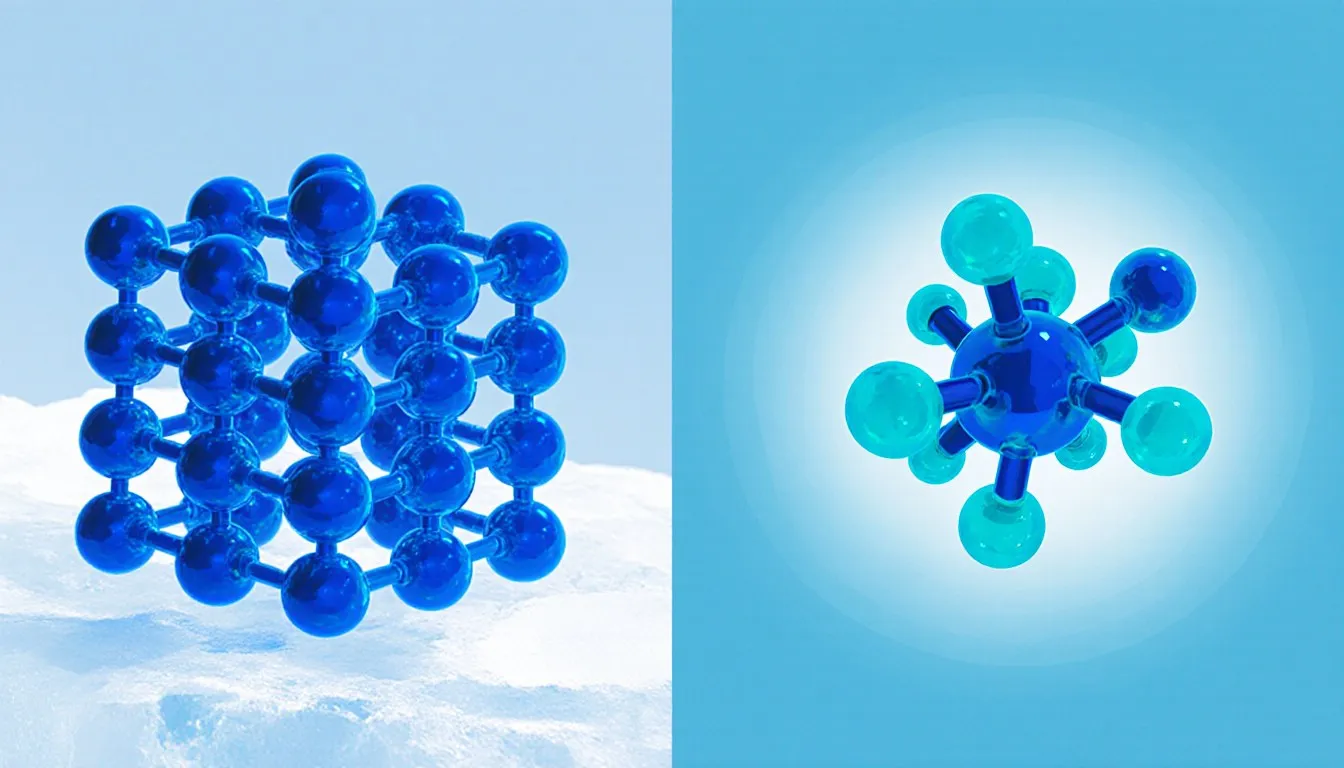
Titanium is one of the most widely used metals today. It forms tough alloys and is quite versatile in its applications. It’s the metal of choice for the ‘space age’. In this article, I provide a complete physical and chemical profile of Titanium element, with information about its extraction processes and applications.
Zinc electroplating is the most commonly used process for coating metals in order to provide protection against corrosion. This article describes the steps involved in the zinc electroplating process.
Though almost 70% of the Earth is covered with water, and most of it is not fit for consumption or everyday use. Distilled water refers to water that has been highly purified. Due to this quality, it has many uses and benefits. This ScienceStruck article explains about the uses of this purified form of water.
Distillation is the process of purification of compounds based on their volatility. The different types of distillation include simple, fractional, steam, vacuum, and short path distillation.
Silicon is an element which is abundantly available in the universe, and has the characteristics of a semiconductor. Read on to know more ...
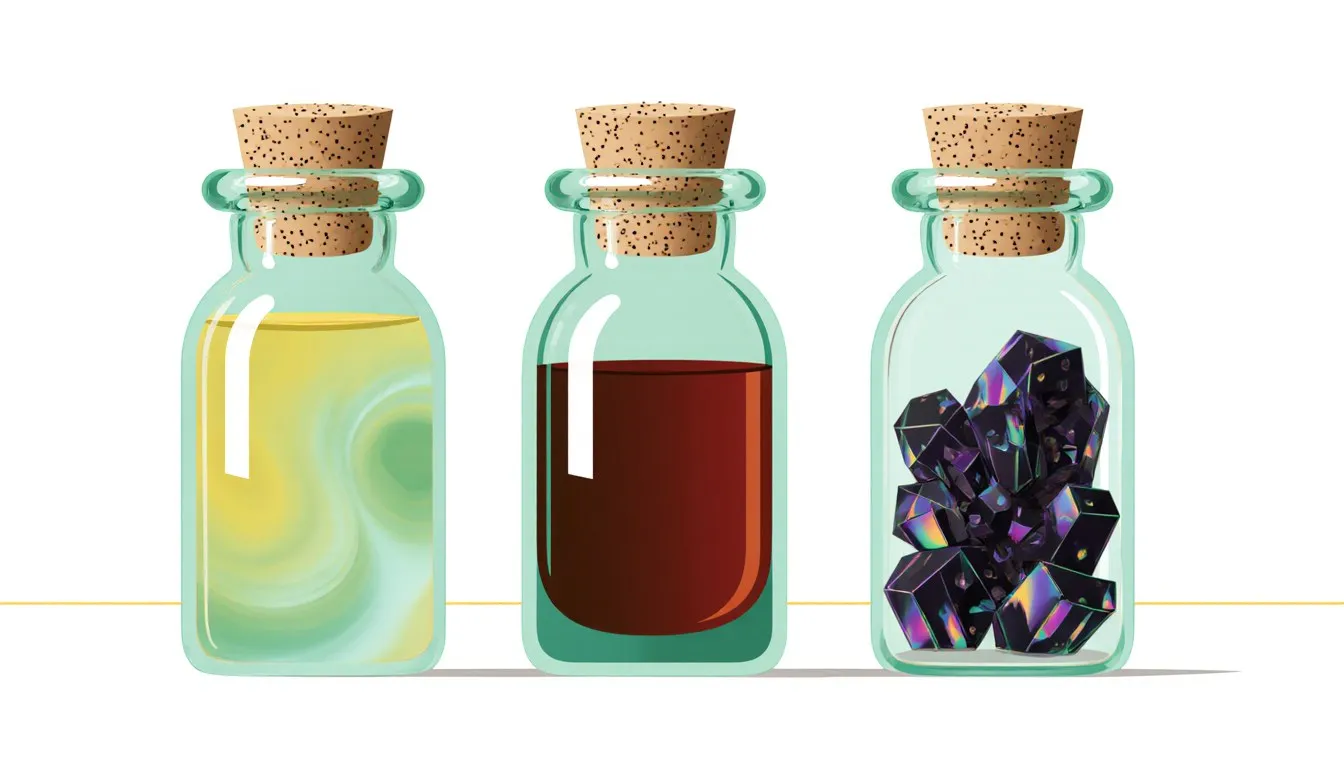
Boron has been useful to mankind in the form of different compounds. The existence of this element was first discovered by Jöns Jakob Berzelius. It is known to have wide variety of uses from medical to industrial purposes. Read this ScienceStruck article to know more about what the element boron is used for.


Chromium, a transition metal, has found a number of industrial uses due to its toughness and resistance to heat and corrosion. It is widely used for manufacturing stainless steel. This ScienceStruck article gives you some important properties and uses of this transition metal.
The diverse physical and chemical properties of calcium chloride make it a very useful compound for various industries. Read this ScienceStruck article to know more about calcium chloride.