Science Facts /
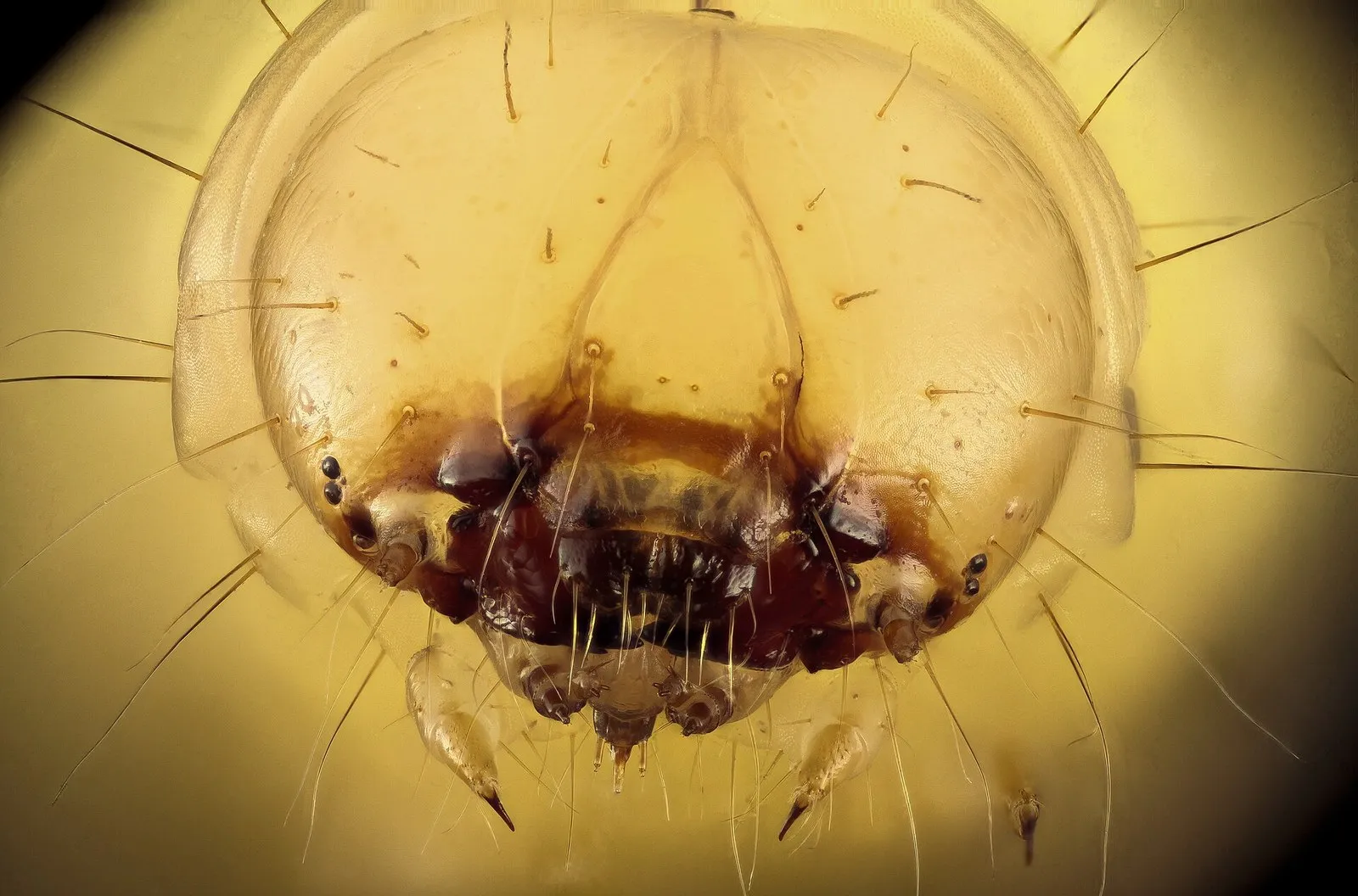
This Caterpillar Can Eat Plastic and Help Save the Planet
3 min read

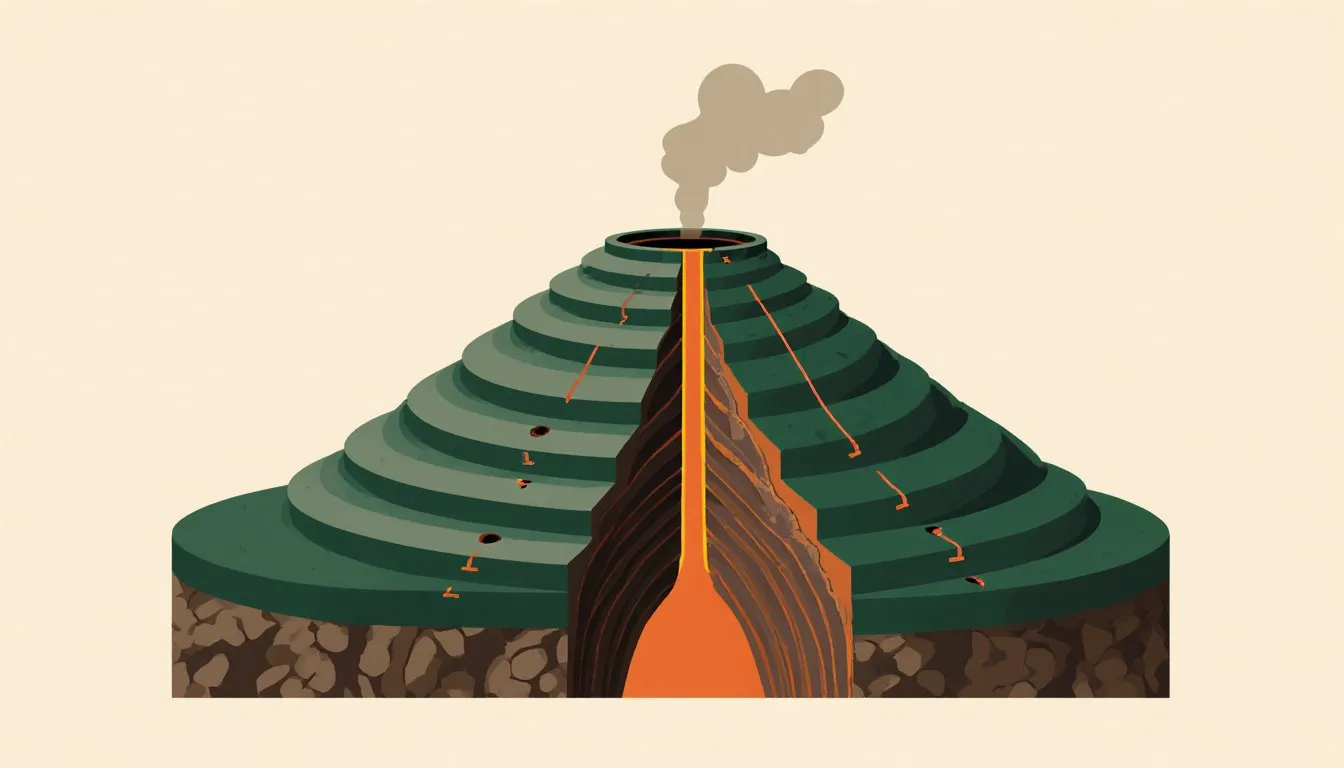


The reference shelf: branches of science, famous misconceptions corrected, and the curious facts that hold up to checking.
83 articles / page 1 of 3
Every library needs a reference shelf, and this is ours: the articles that explain science itself rather than any one branch of it. What the branches actually are, how the scientific method earns its confidence, and which famous "facts" fail checking, because a misconception corrected is worth two facts memorized.
The collection favors the genuinely curious question: why the calendar once lost ten days, what forensic science can and cannot prove, whether black and white count as colors, and the weird-but-verified facts that survive contact with a citation. Glossaries and branch guides anchor the shelf for anyone mapping the territory for the first time.
Start with the featured guides above or wander the list; this is the one shelf built for wandering. Everything here holds to the same standard as the rest of the site: if it could not be verified, it did not ship, no matter how good the story was.
Science Facts /
3 min read
Science Facts /
Being watchful to not miss the correct ‘exit’ when on an interchange hardly lets you enjoy the drive and the surroundings. Never mind! This ScienceStruck post brings you all those glimpses of the most astounding flyovers, you probably missed out on. This Puxi Interchange has merged the Nanbei Elevated Road and the Yan’an Elevated Road, and also has service roads at the bottom levels. At the central interchange, there stands a pillar known as the Nine-dragon Pillar.
3 min read
Science Facts /
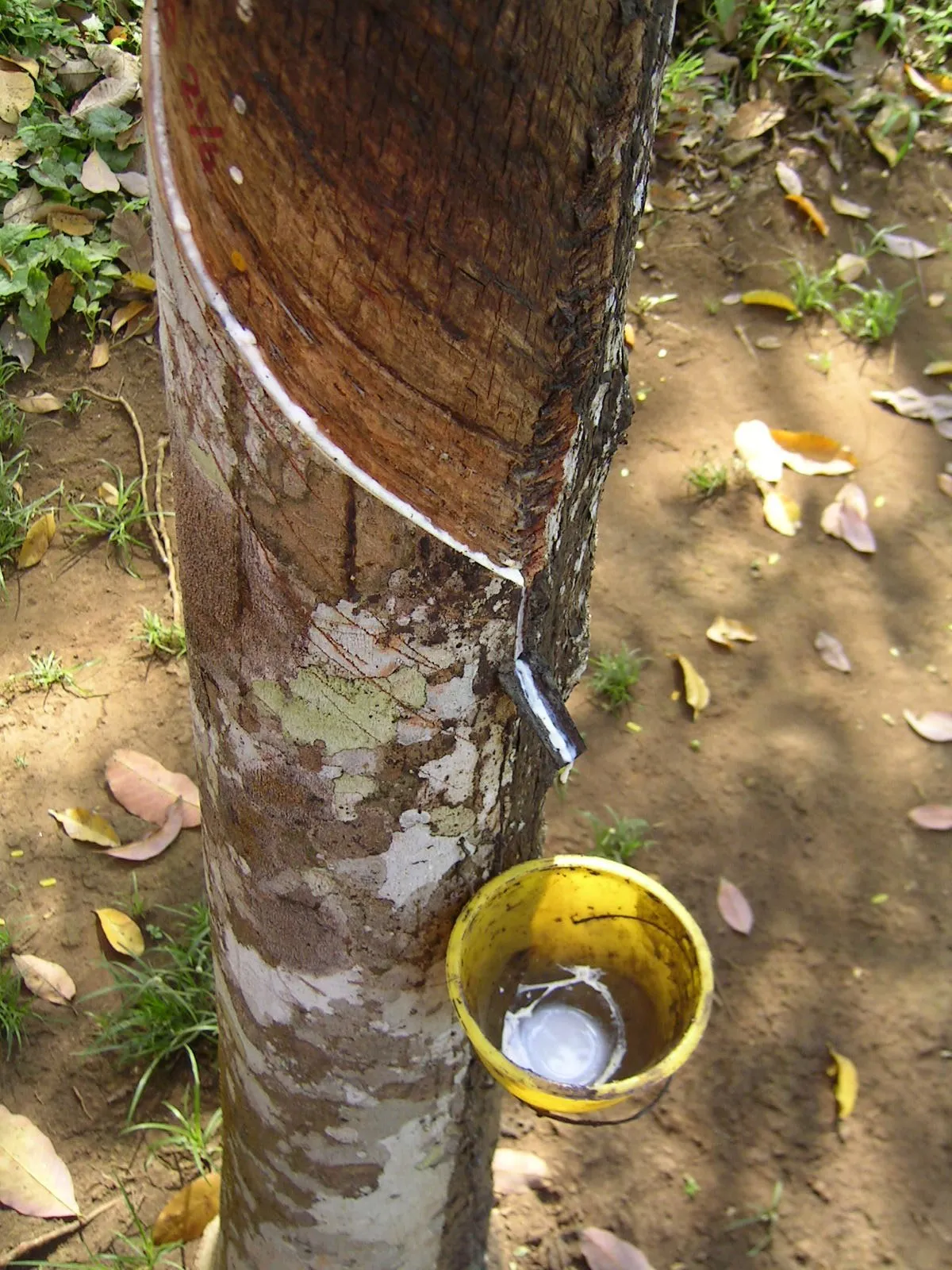
The importance of the rubber industry from the time it came into being and the role that it has played in the growth of civilization has been enormous. There are two types of rubbers; natural and synthetic. Synthetic rubber is easier to produce than natural rubber, and has a wider range of applications. This ScienceStruck article gives you a comparison between synthetic rubber and natural rubber.
4 min read
Science Facts /
If you think that the Earth orbits the sun, and dogs sweat from their tongues, think again! In this ScienceStruck article, we shed light on the reality behind these and some other common ‘scientific’ facts that are actually not true.
10 min read
Science Facts /
Science Facts /
Science Facts /
Science Facts /
Science Facts /
Science Facts /
Science Facts /
Science Facts /
Science Facts /
Science Facts /
Science Facts /
Science Facts /
Science Facts /
Science Facts /
Science Facts /
Science Facts /
Science Facts /
Science Facts /
Science Facts /
Science Facts /
Science Facts /
Science Facts /
Science Facts /
Science Facts /
Science Facts /
Science Facts /
Science Facts /
Science Facts /
Science Facts /
Science Facts /
Science Facts /
Science Facts /
Science Facts /
Science Facts /