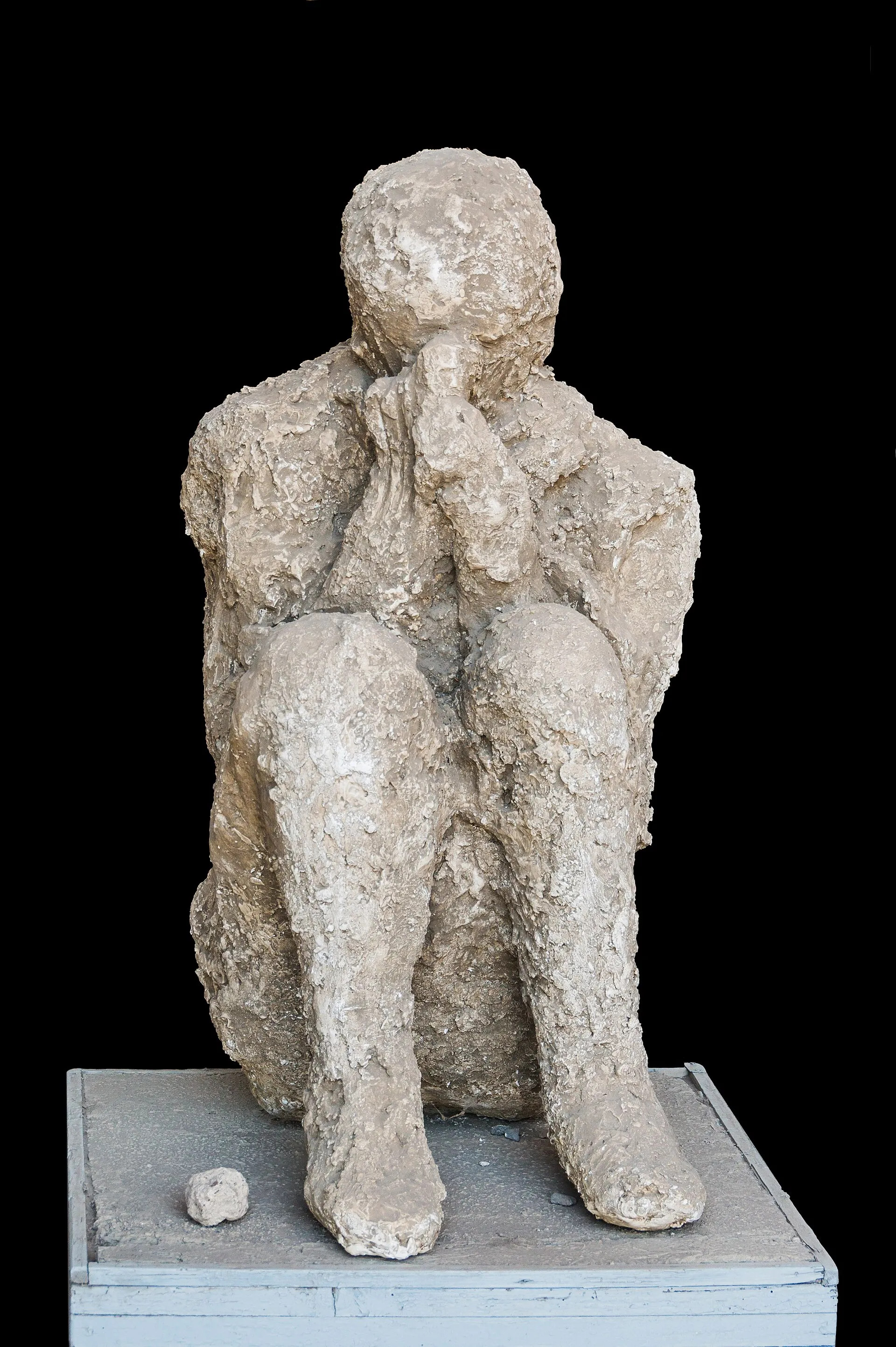
Eyjafjallajokull Volcano Facts
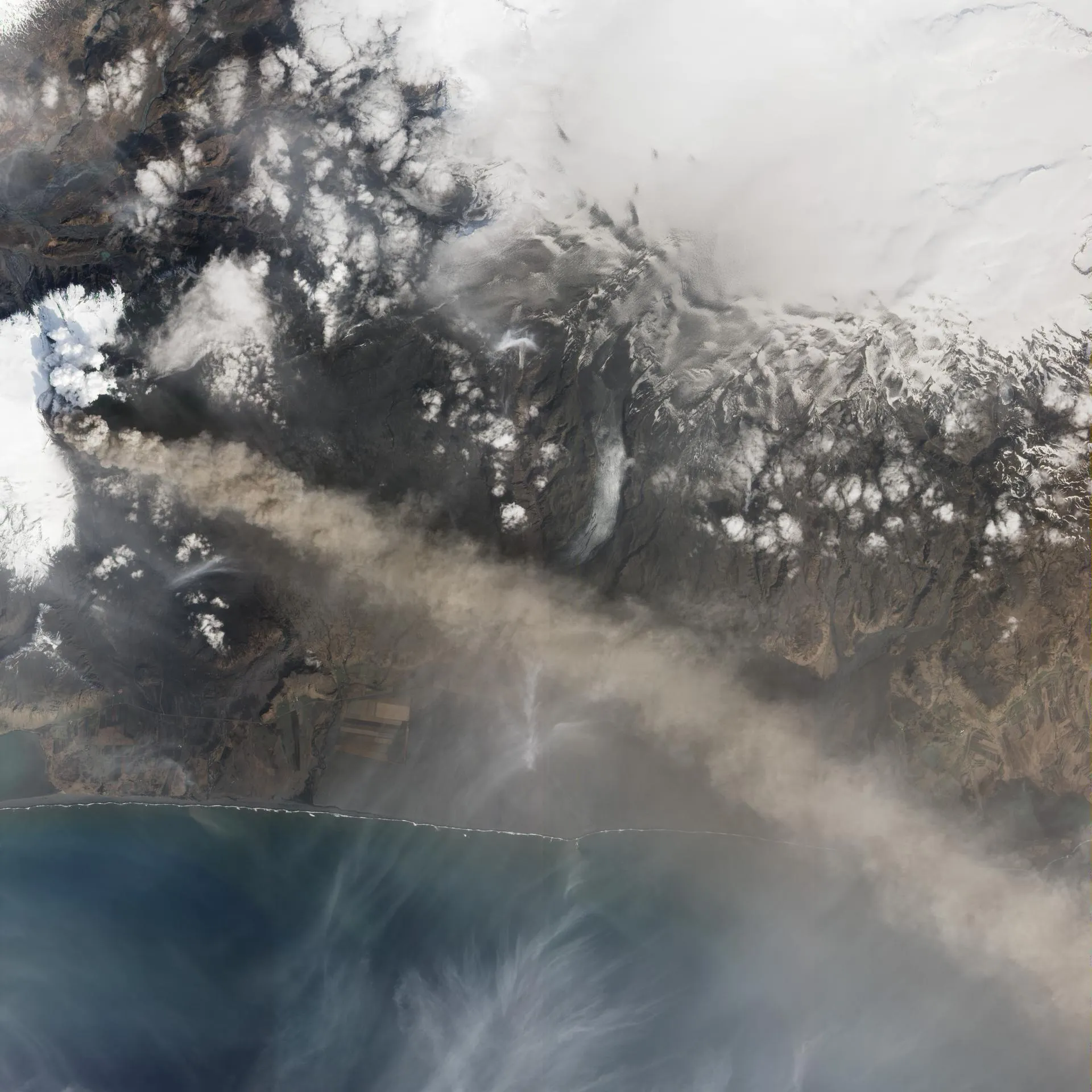
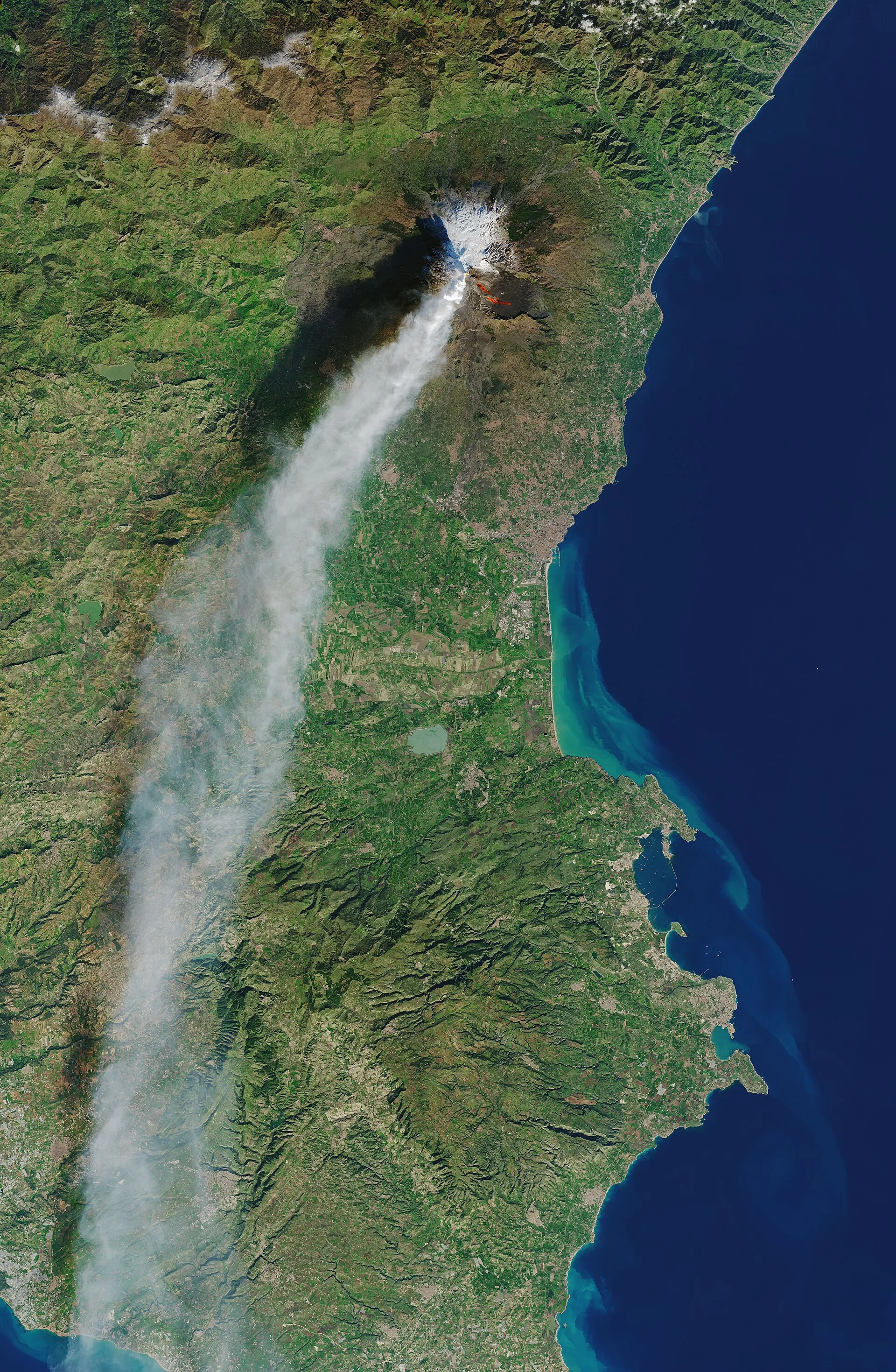
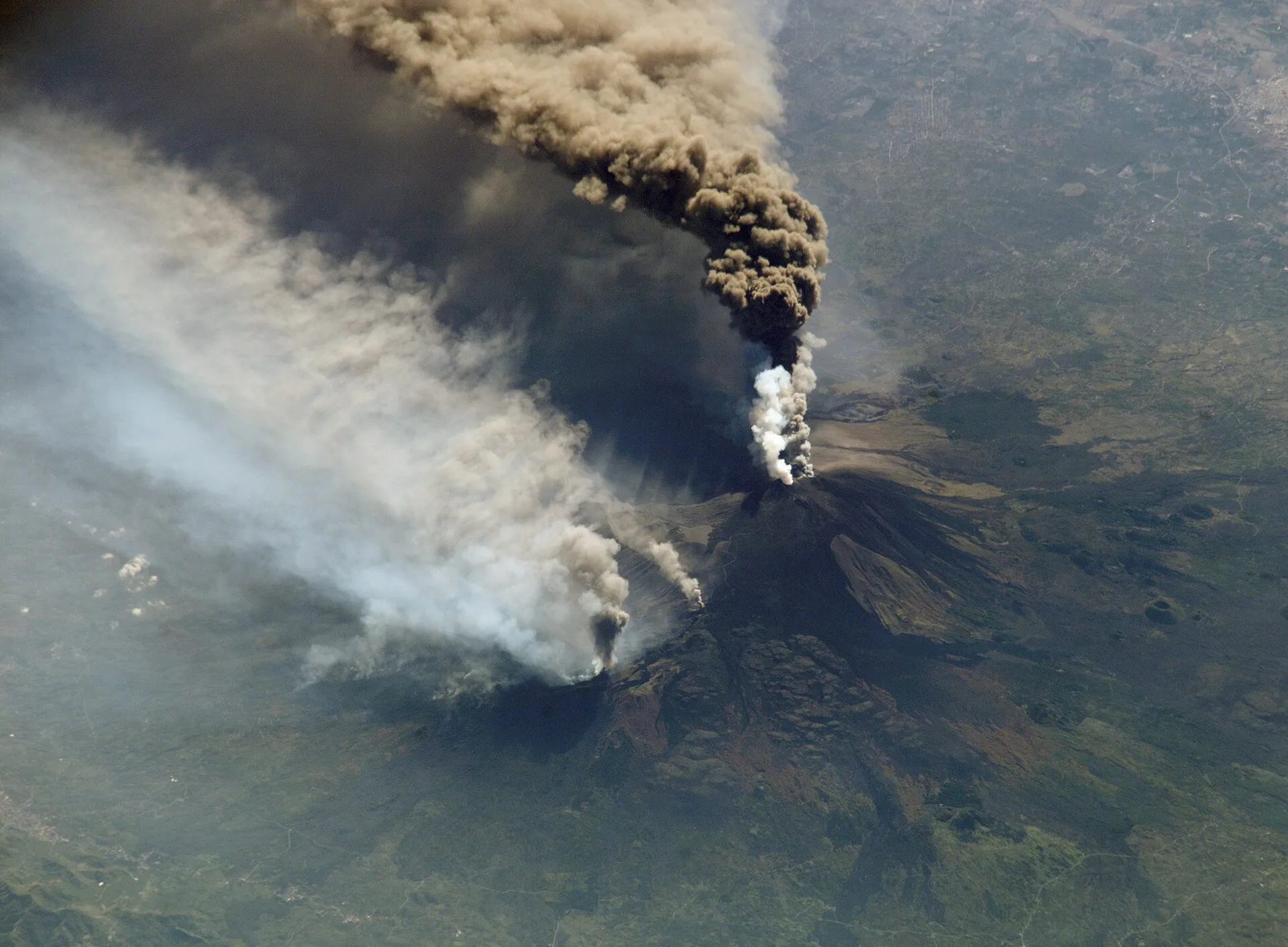
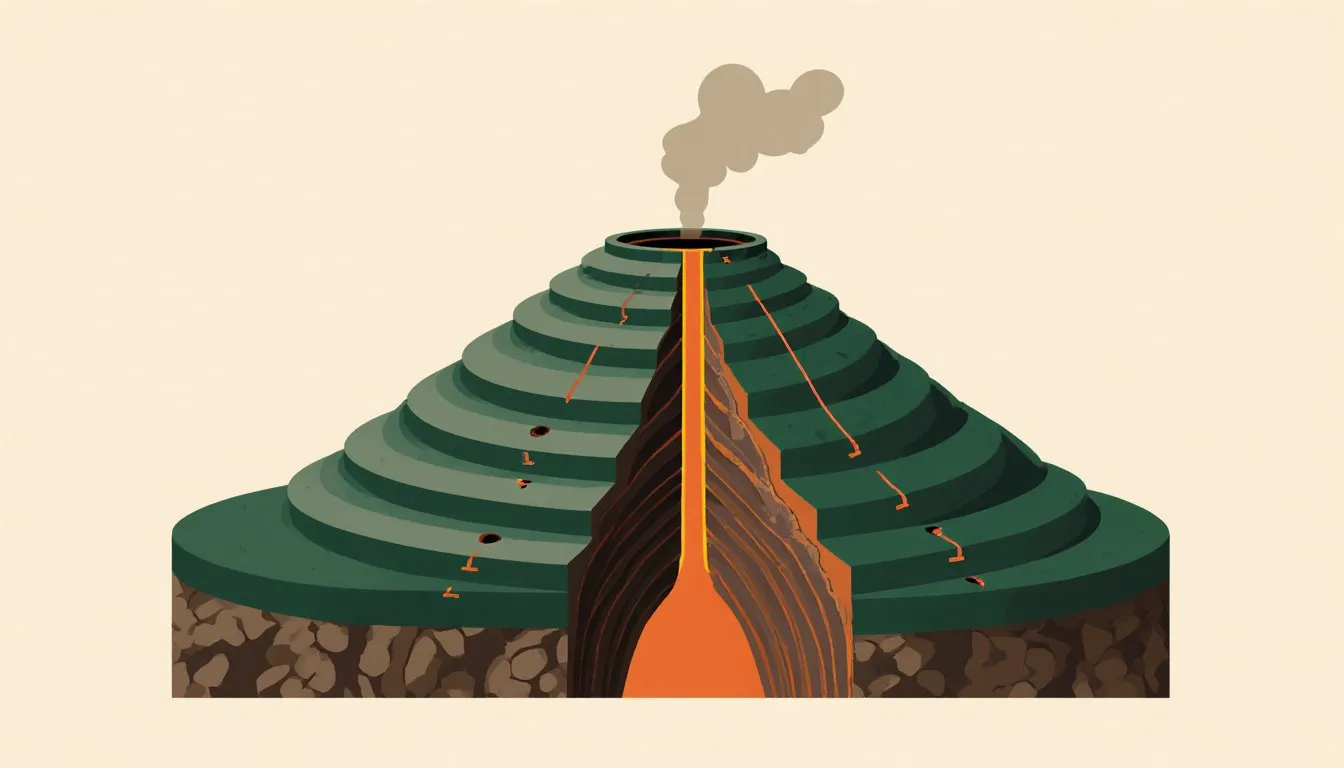
Eyjafjallajökull volcano in Iceland recently erupted in 2010, resulting in air traffic disruption on a large scale across Europe. The facts mentioned here will help reveal some amazing information about the volcano.
Rocks, volcanoes, caves and the slow machinery of the planet, from plate boundaries to the water cycle.
Eyjafjallajökull volcano in Iceland recently erupted in 2010, resulting in air traffic disruption on a large scale across Europe. The facts mentioned here will help reveal some amazing information about the volcano.
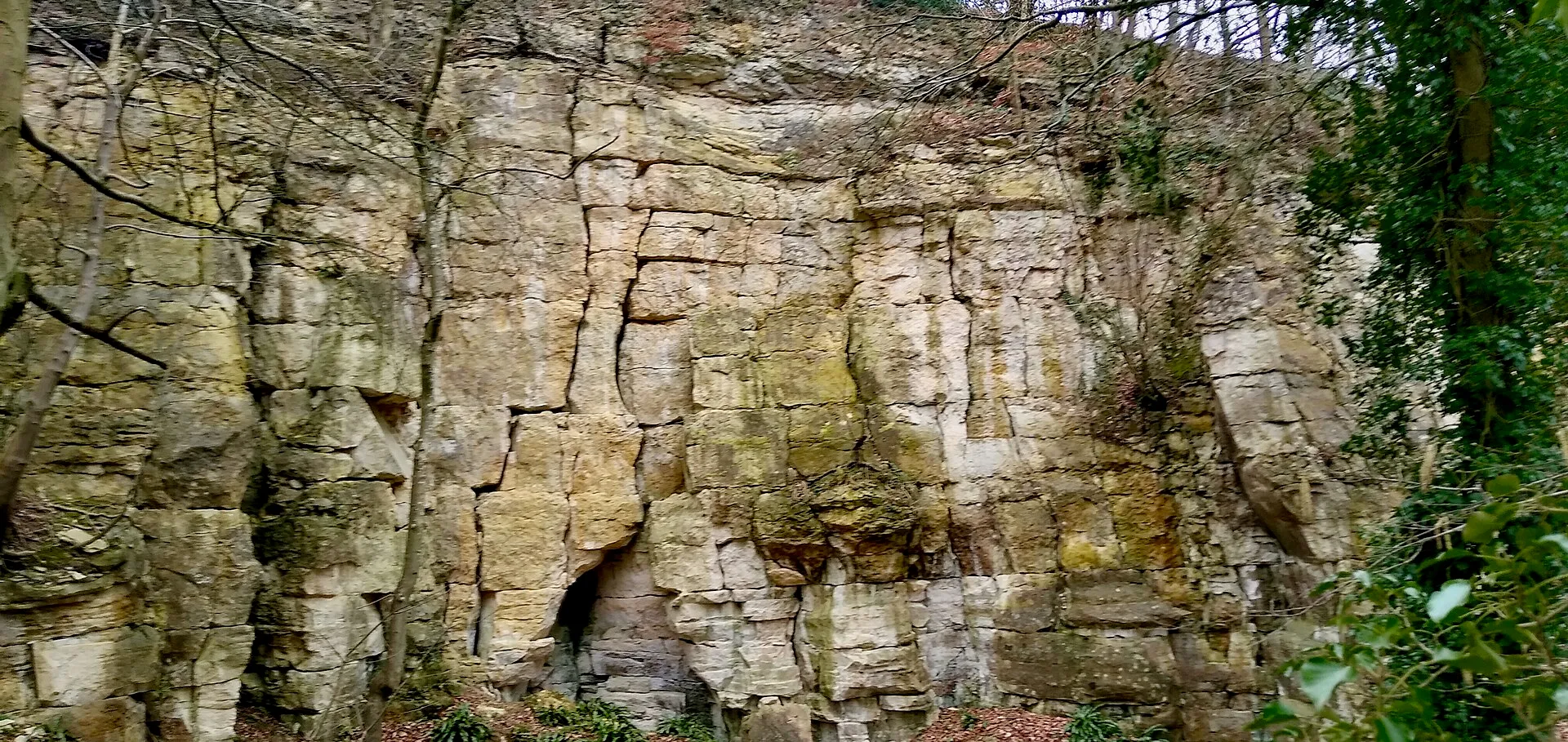
While most of us believe that the use of limestone is restricted to architecture and construction, the fact is that it is used in various other fields.
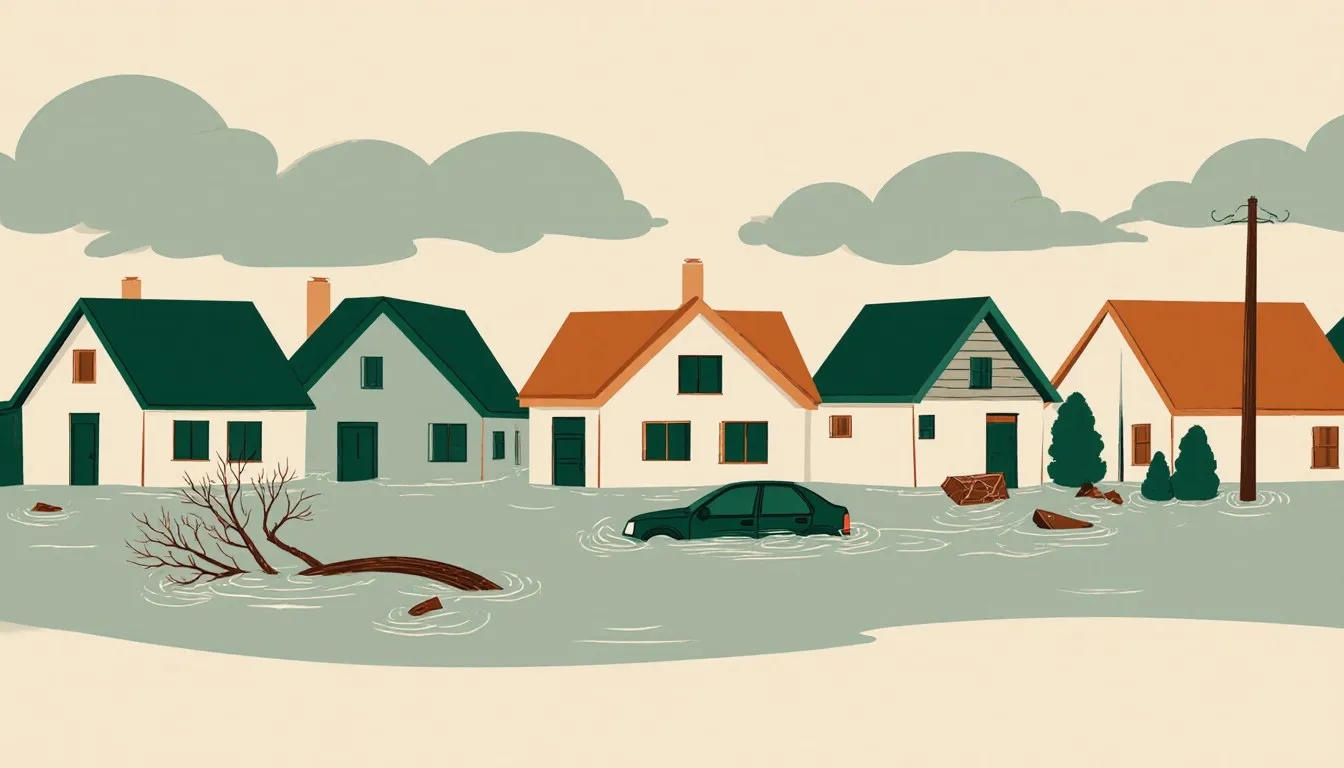
Every natural disaster simply reinforces something that we already know. We know that the climate is changing, we know that pollution is on the rise, and also that human experiments are testing the limits of the Earth. This year the world did witness an unusual number of natural disasters.
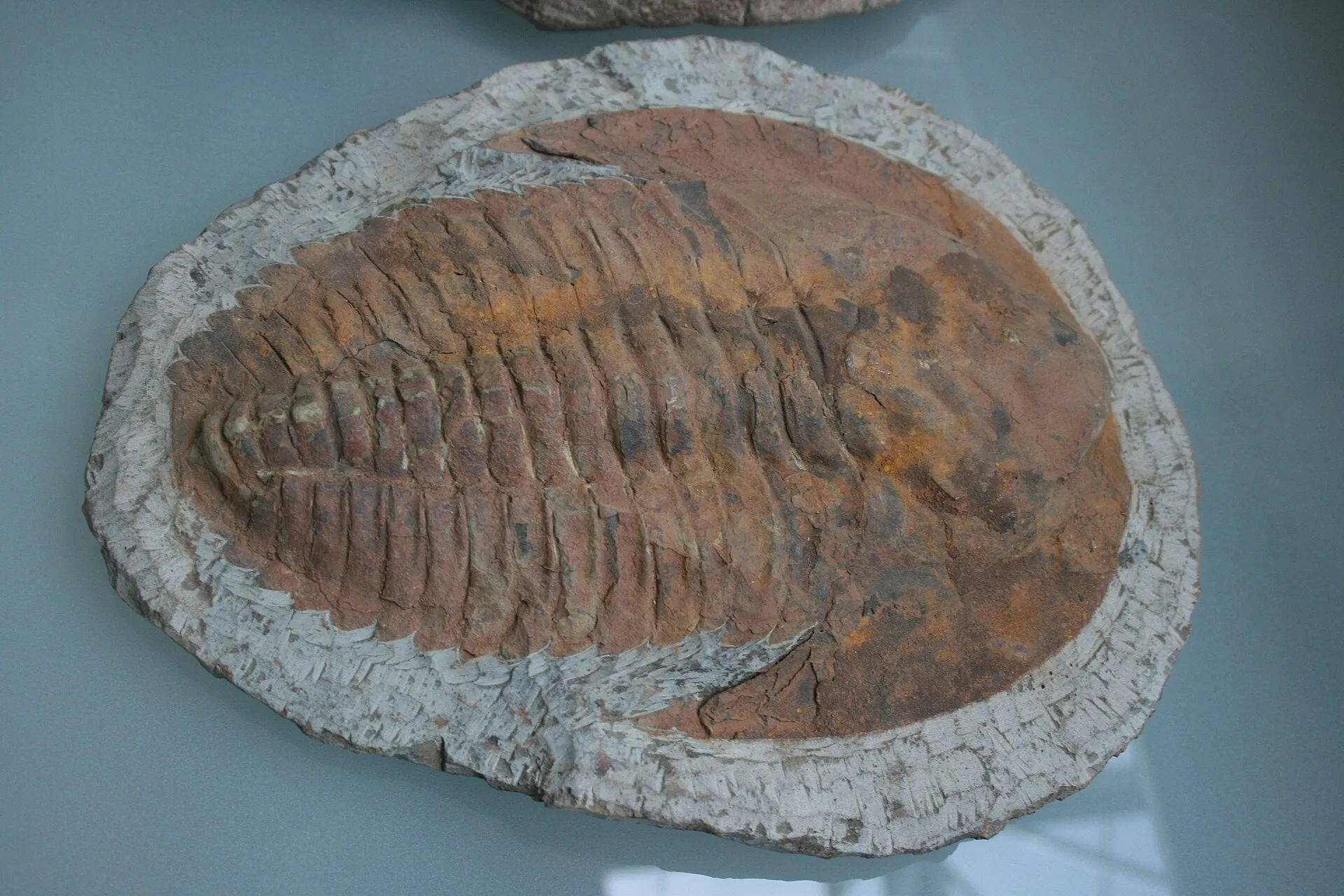
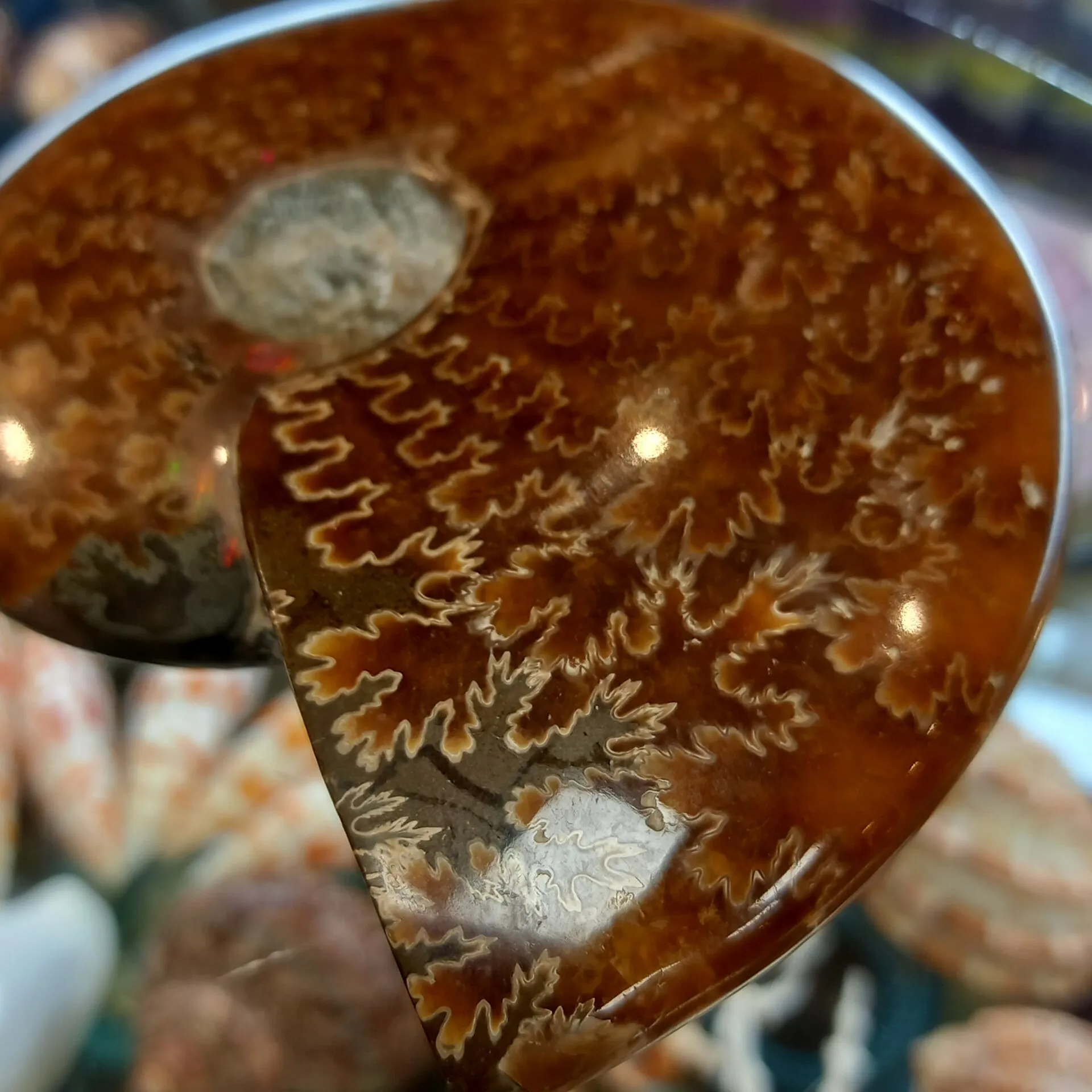
A fossil is nothing but a remnant or trace of an organism of a past geologic age, such as a skeleton or leaf imprint, embedded and preserved in the Earth’s crust. This articles explains its definition, and states its various types.
Fossils contain the actual remains of prehistoric plants and animals. This article includes some interesting facts regarding them and how they are formed.
Wondering which are the most active volcanoes in the world today? We put forth the list of them, with reference to general details, like where they are located, when was the last they erupted, etc.
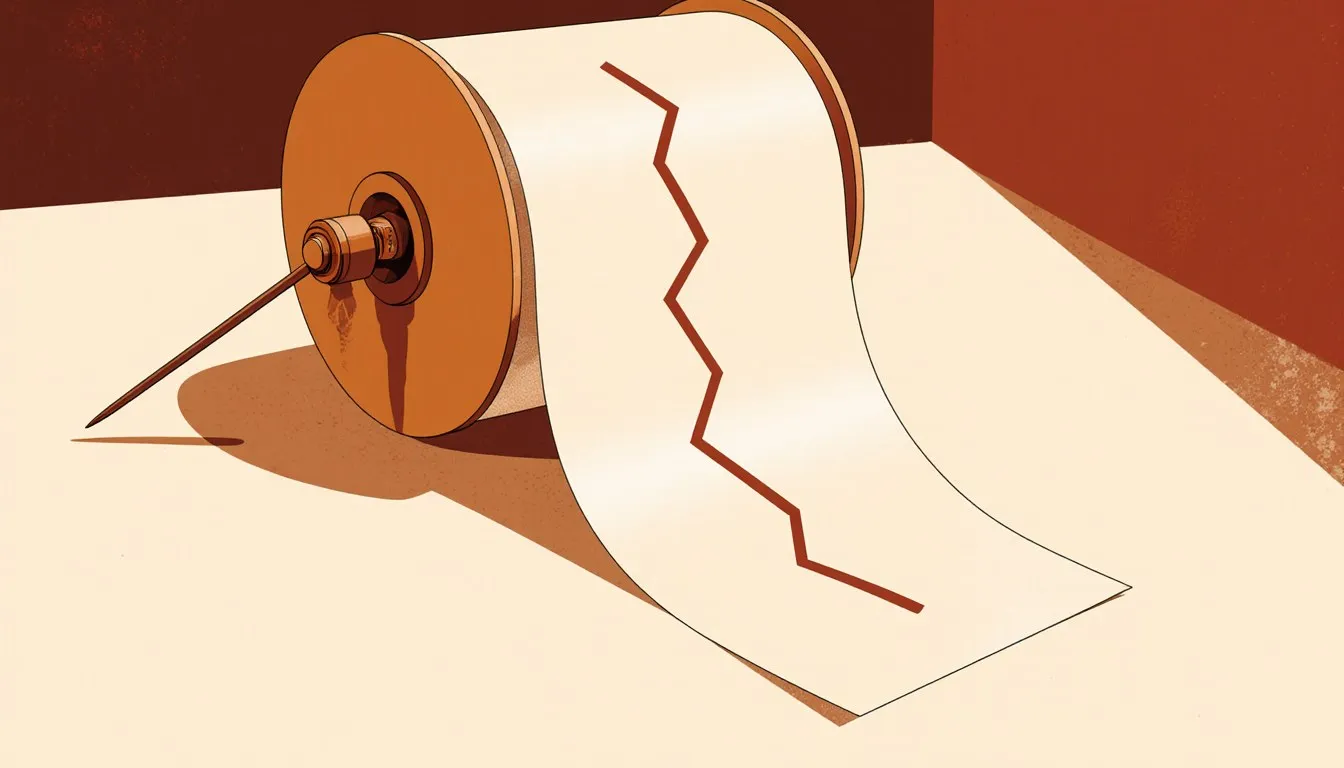
We generally hear the term ‘Richter scale’ which is related to the topic of earthquakes. Some basic parameters of this scale include its measurement factor and the formula. The following article provides a brief explanation on the measurement of earthquake magnitude with the help of this scale.
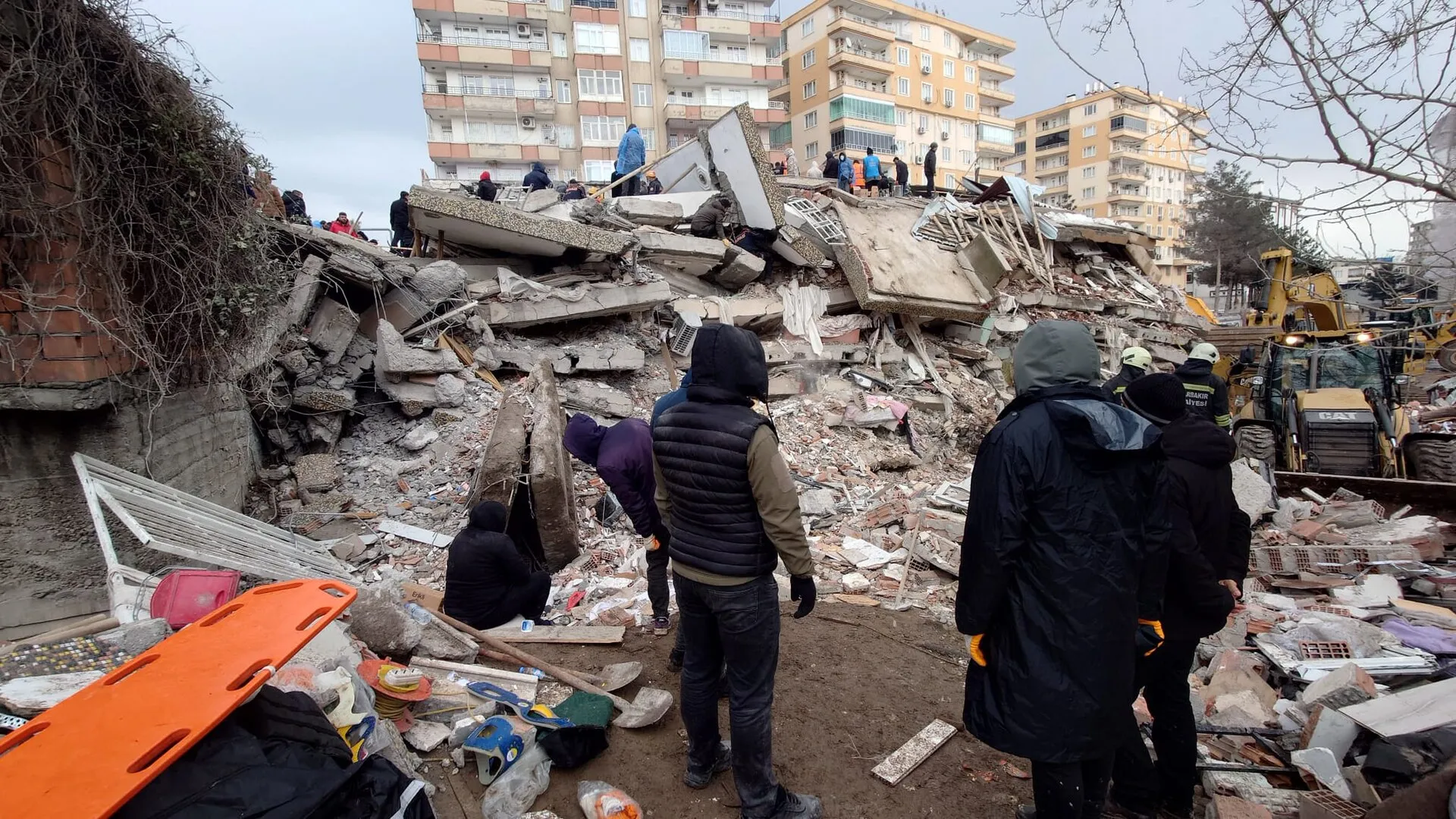
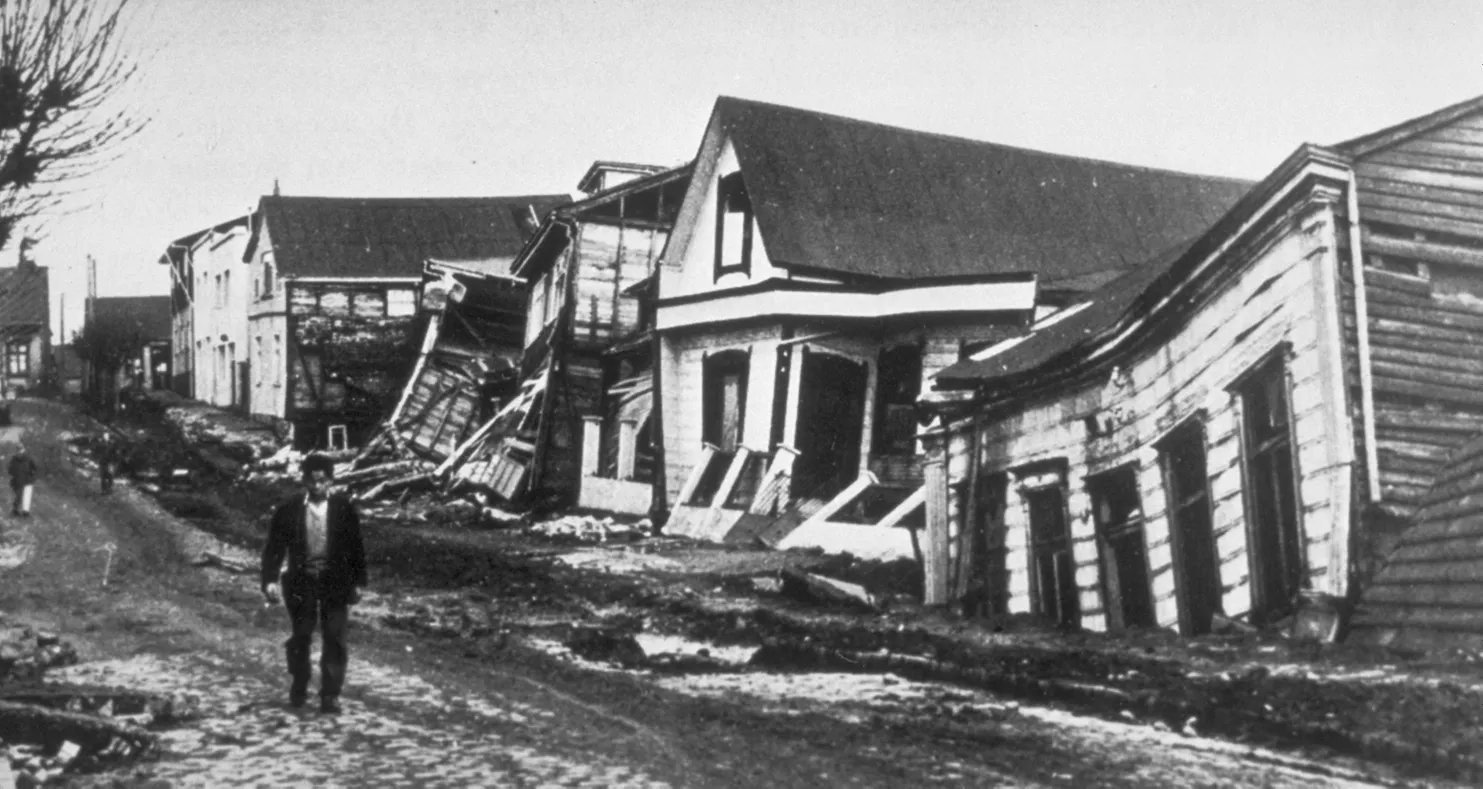
One of the worst natural calamities is the earthquake, which can cause a widespread destruction to life and property. There are many places which have experienced some of the worst earthquakes in the history of mankind.
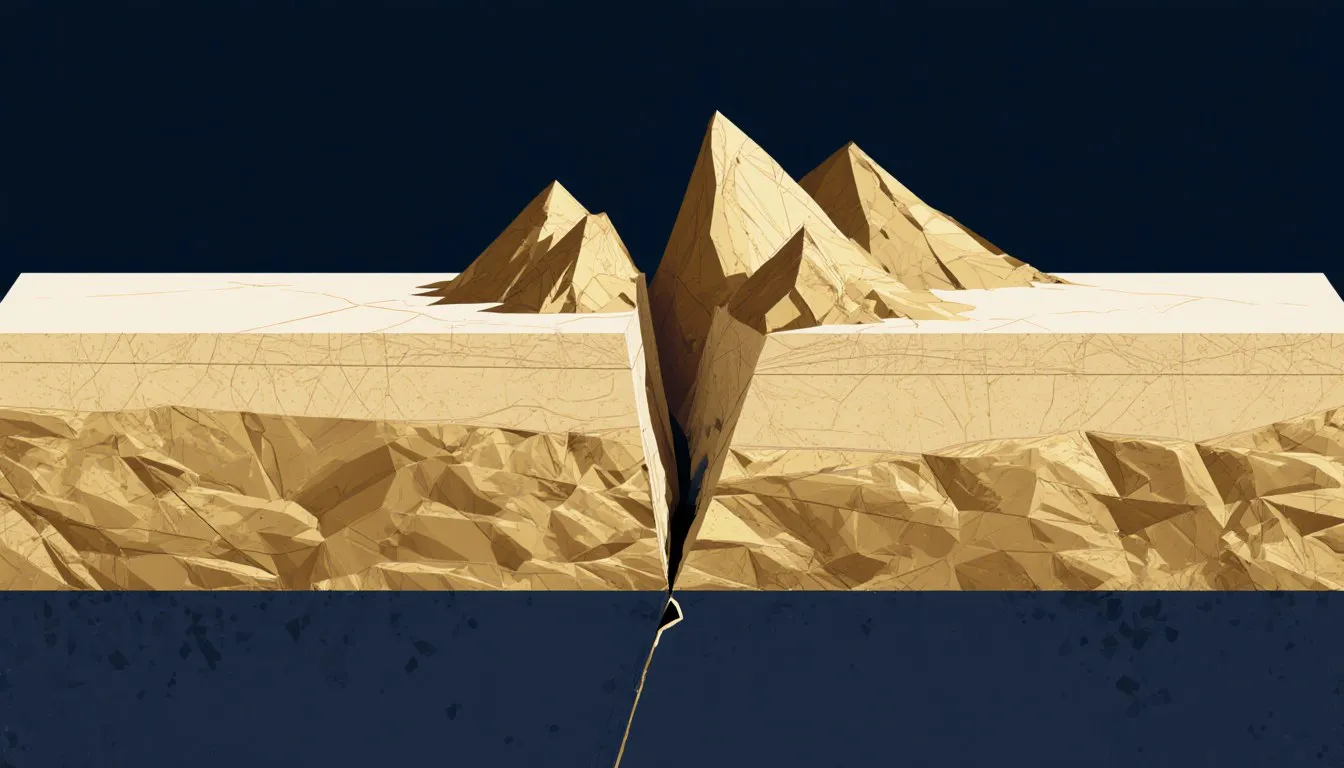
The magnitude of an earthquake is calculated by using the Richter scale formula, which is mentioned and explained in brief, in the following article.
Richter scale, which is used for measuring the intensity of earthquakes, was developed by Charles Richter of the California Institute of Technology, in 1935. This ScienceStruck article provides facts on Richter scale for kids.
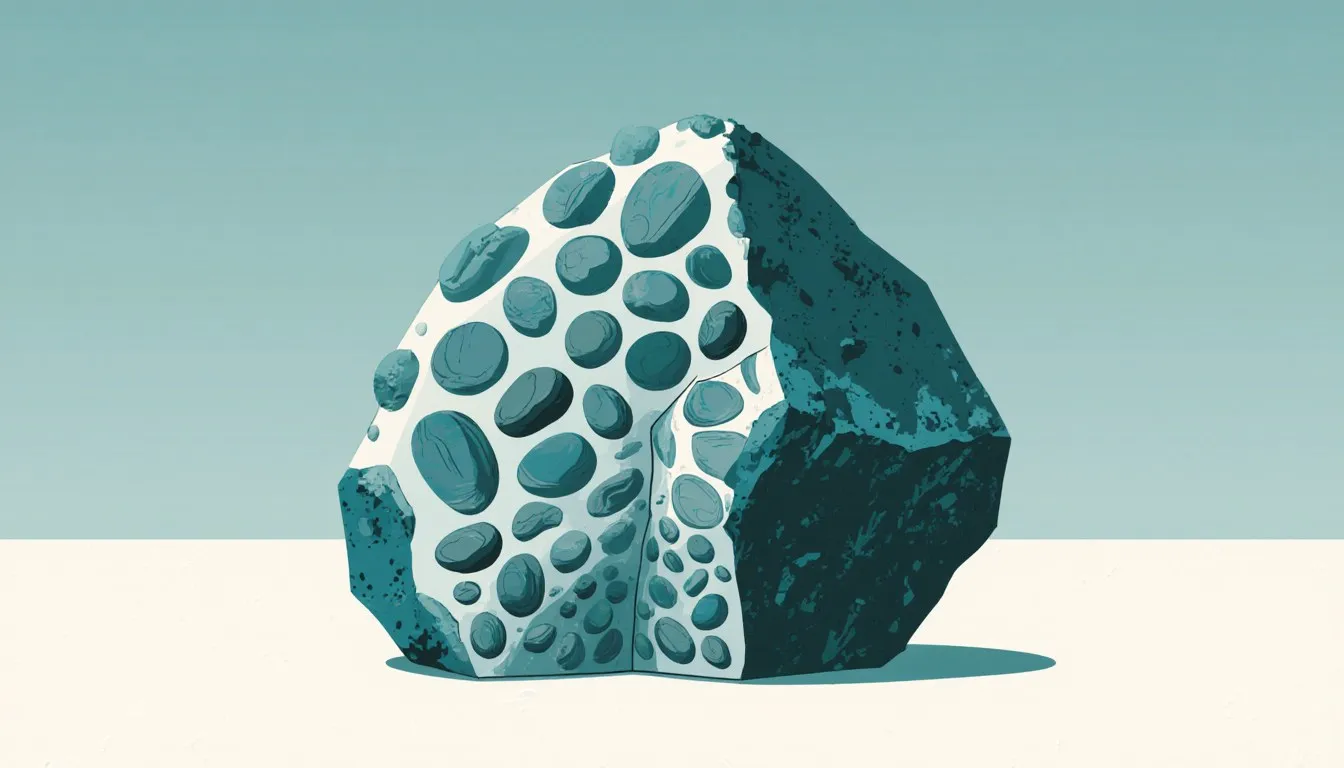
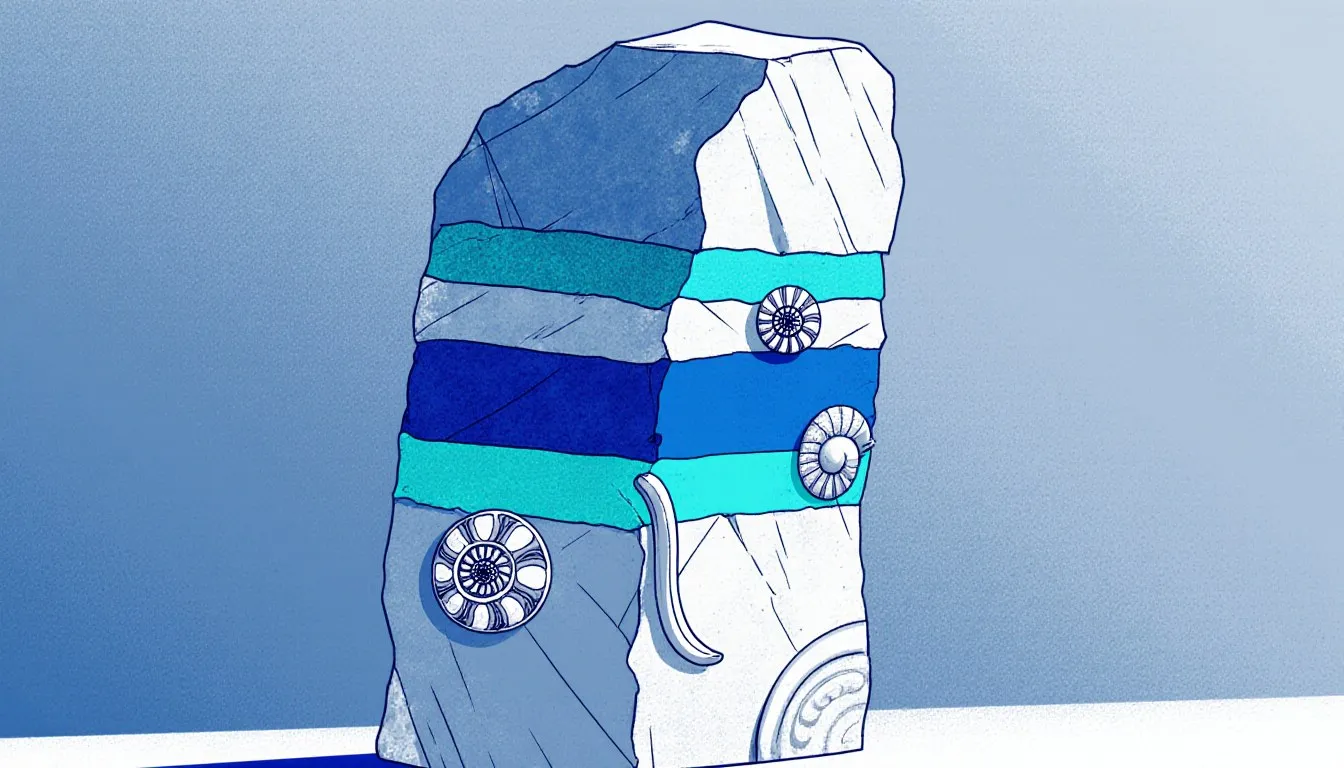
One of the most commonly seen coarse-grained sedimentary rocks, conglomerates often form a distinct separation or boundary between two different lithologies or strata. The study of these rocks has gained immense importance in the field of stratigraphy. Read the following ScienceStruck article to gain more information regarding facts about these rocks.
Rocks are basically classified into igneous, sedimentary, and metamorphic rocks. This ScienceStruck write-up lists a few facts about the composition of these rocks.
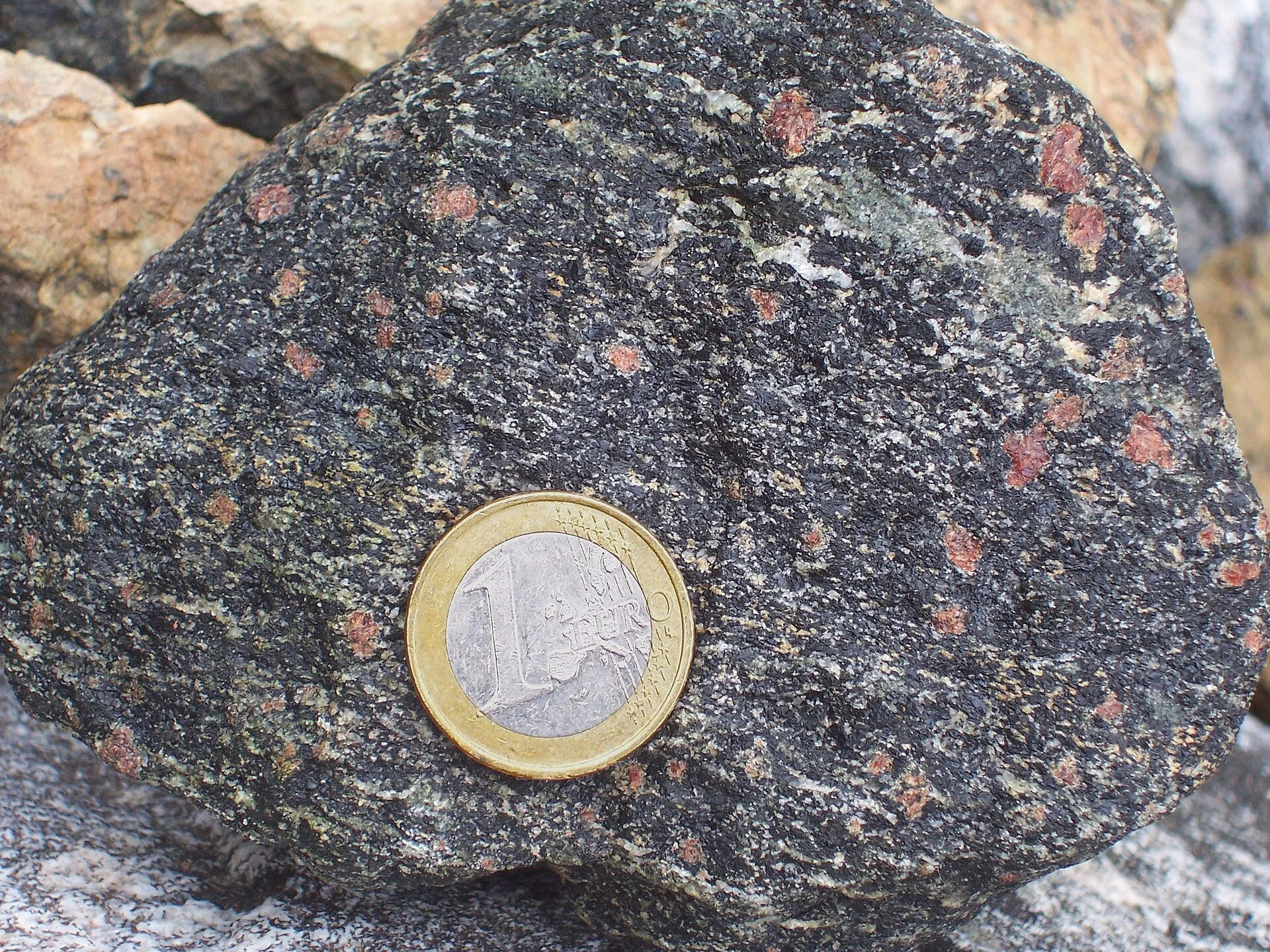
One of the oldest types of rocks on our planet, metamorphic rocks are mainly formed due to changes in the parameters of temperature and pressure, which act on the parent material. Their study provides us with important data regarding formation of the Earth and the past geological environment. Read this ScienceStruck article to gain extensive information about the main features of these rocks.
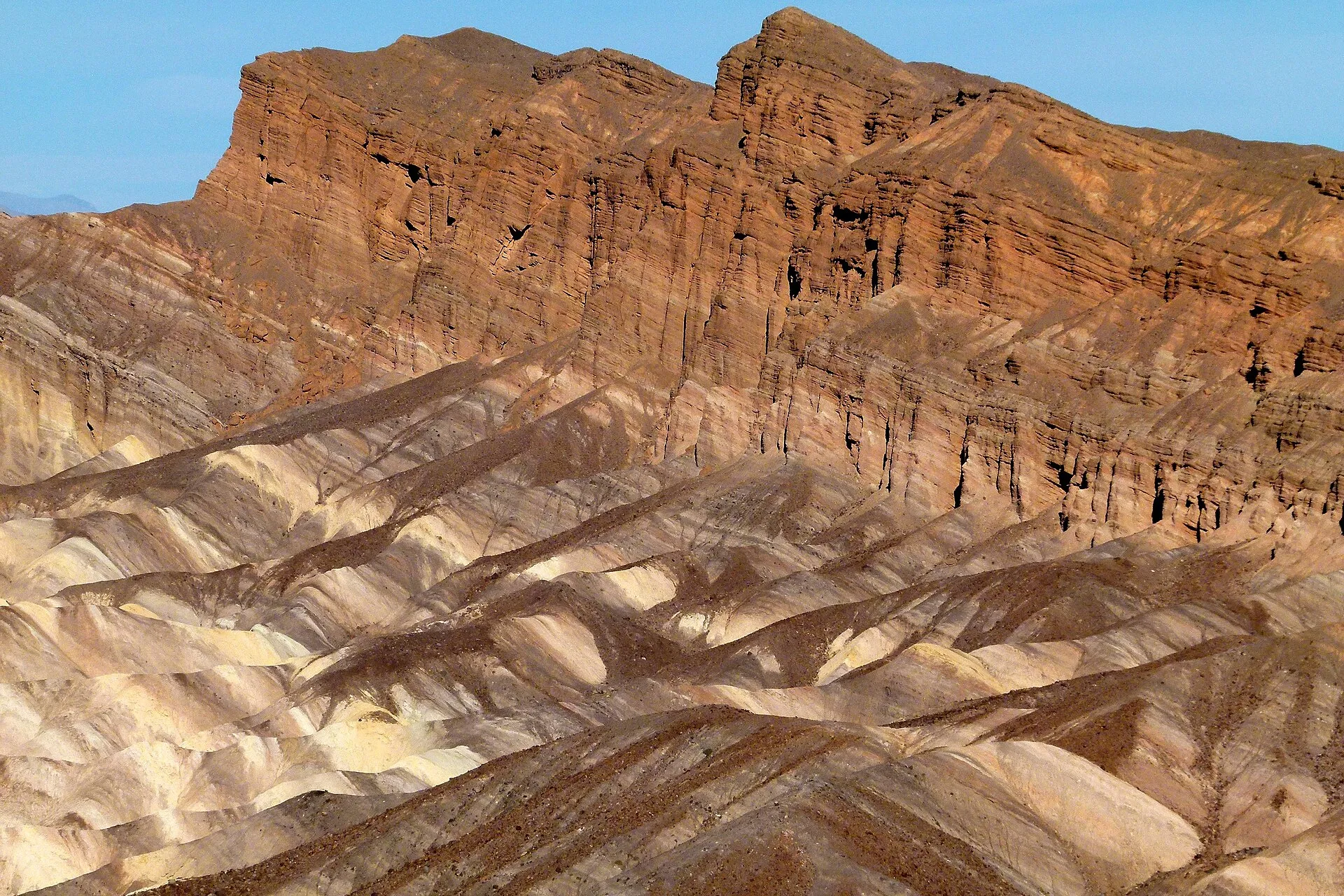
The formation of sedimentary rocks, their types, and formation processes have been explained in this article.
In a bid to make the concept of water cycle easier for you to understand, we have come up with a diagram and a brief explanation of each of the steps involved.
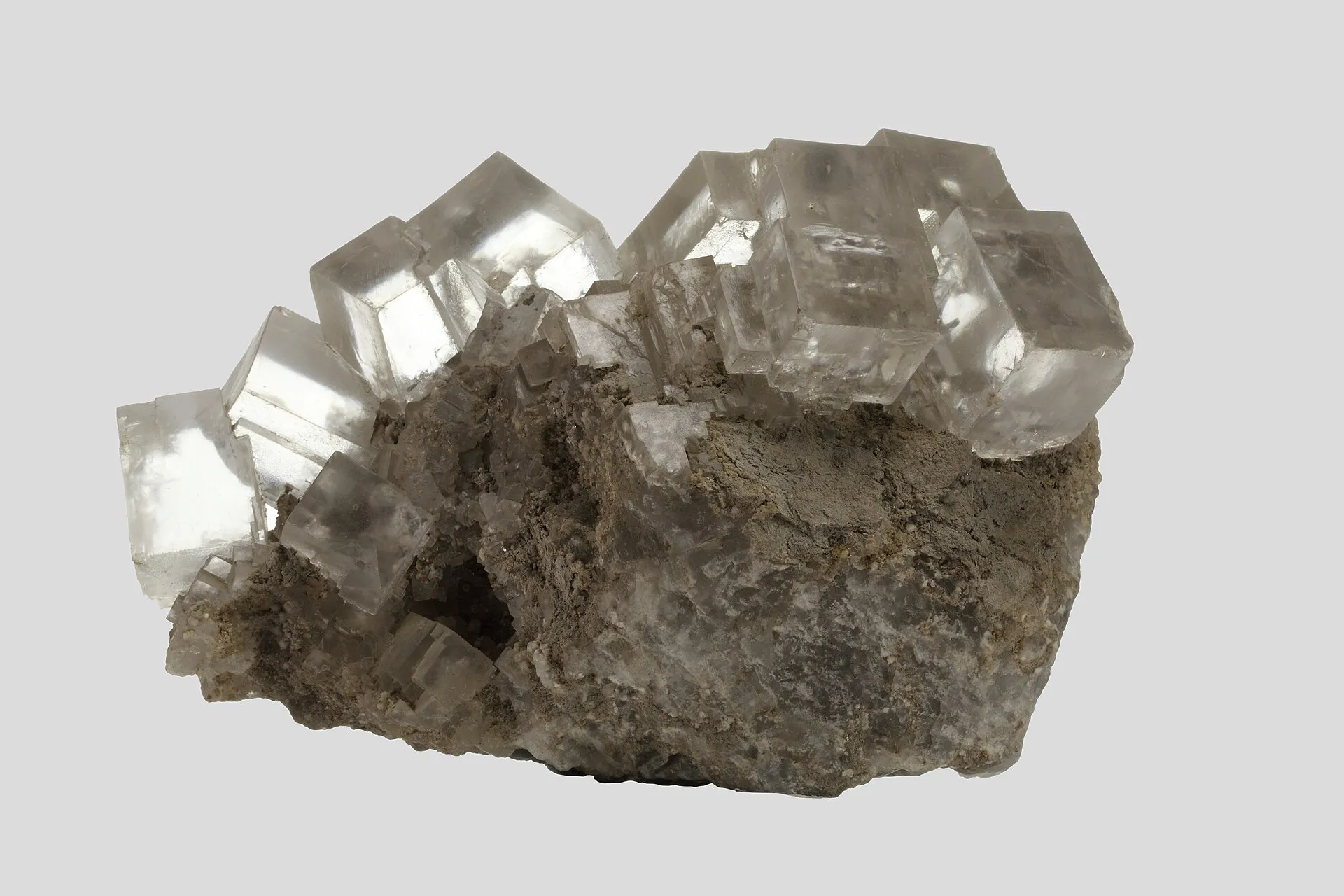
Natural crystallization of salt by evaporation of water is a fairly common process. Salt crystallization can be observed at home, by performing simple experiments. Read this article to know how does salt crystallize...
Do you know that in everyday life, crystals are always around us? The following article provides some information on salt crystal facts. Read on to know the various uses of salt.
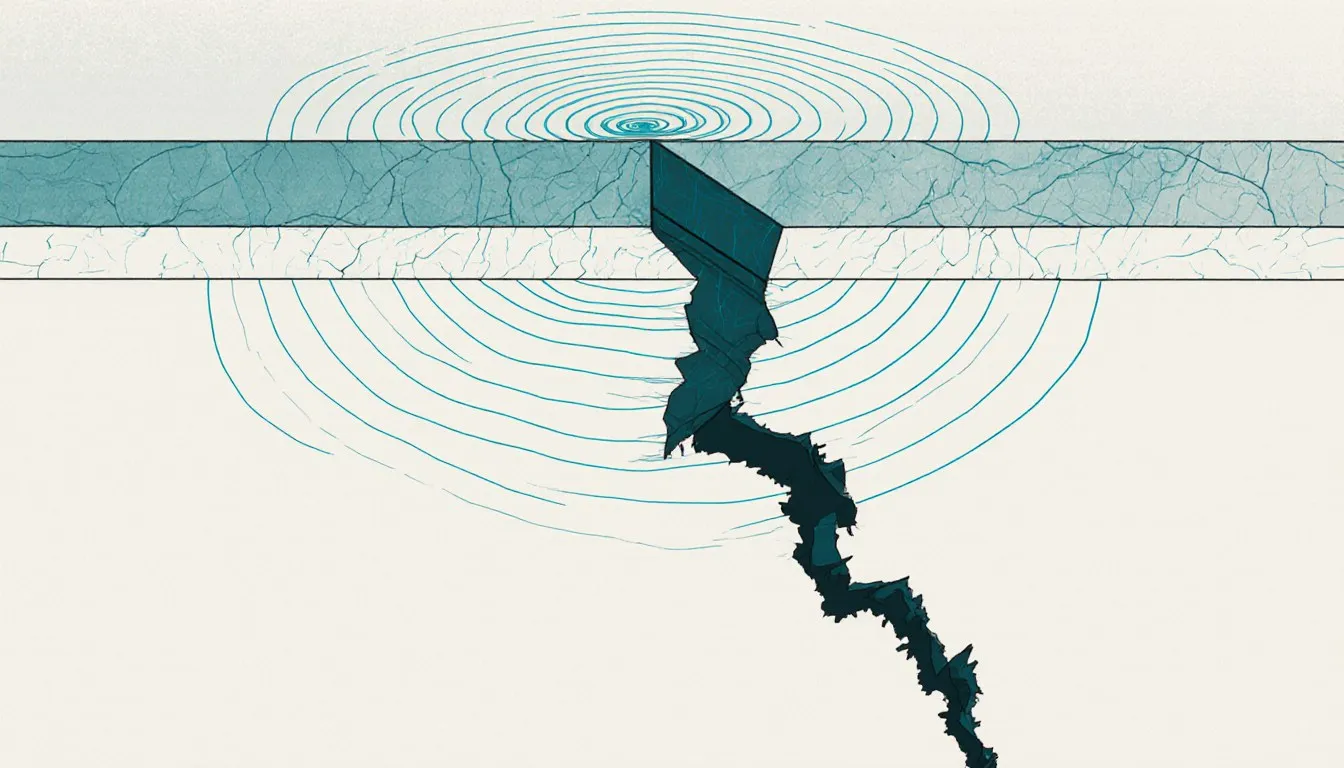
The earth is a fascinating body that has a lot going on within it, much more than what the human eye can see. An earthquake is one such phenomenon, which is again enveloped in mystery and fear. Let’s take a look at how it happens.
Although similar in appearance, distilled water and spring water differ in content and taste. In this Sciencestruck article, we shall learn more about both through a distilled water vs. spring water…
Ever thought of growing alum crystals at home? The following article provides information regarding the method of growing beautiful alum crystals.
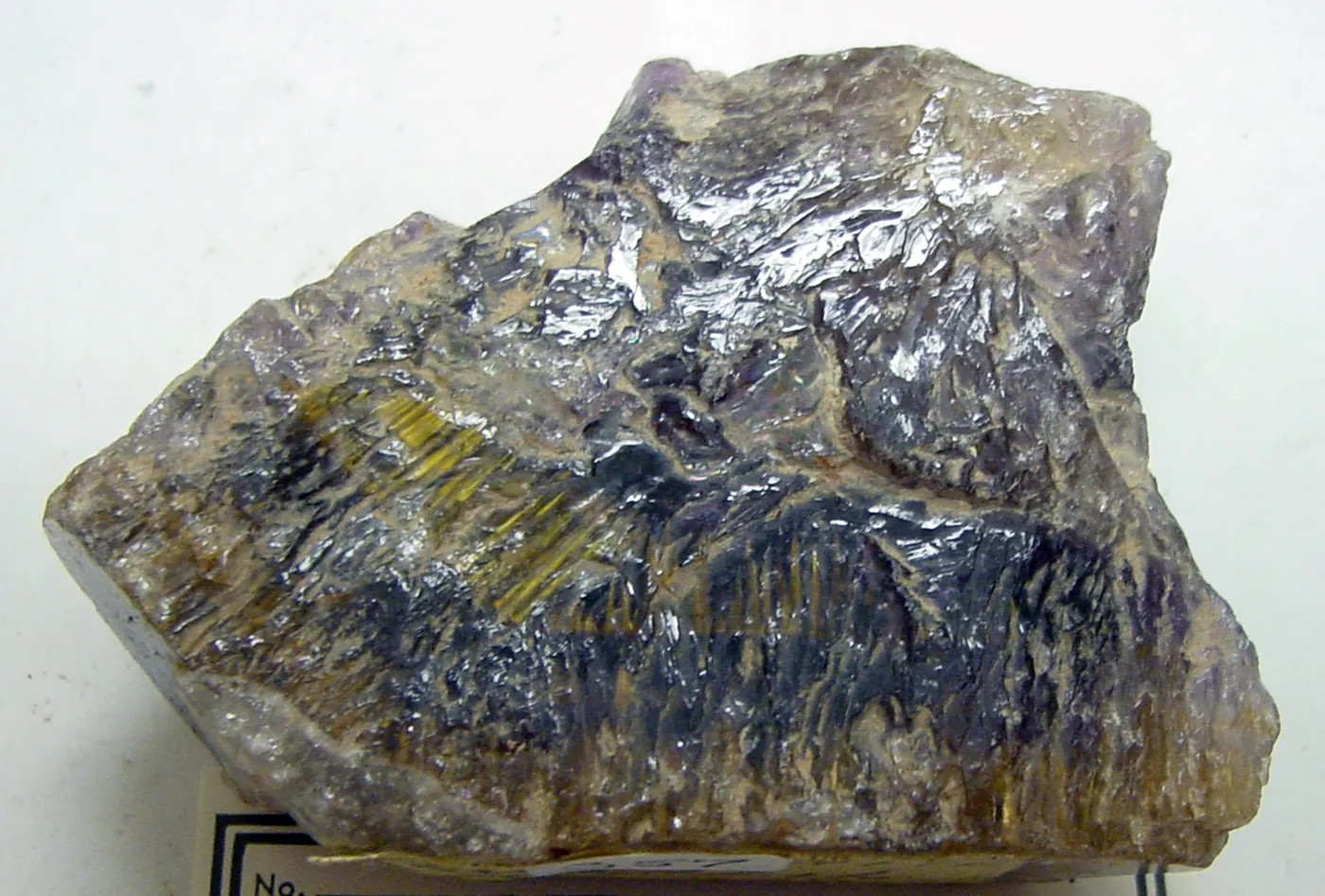
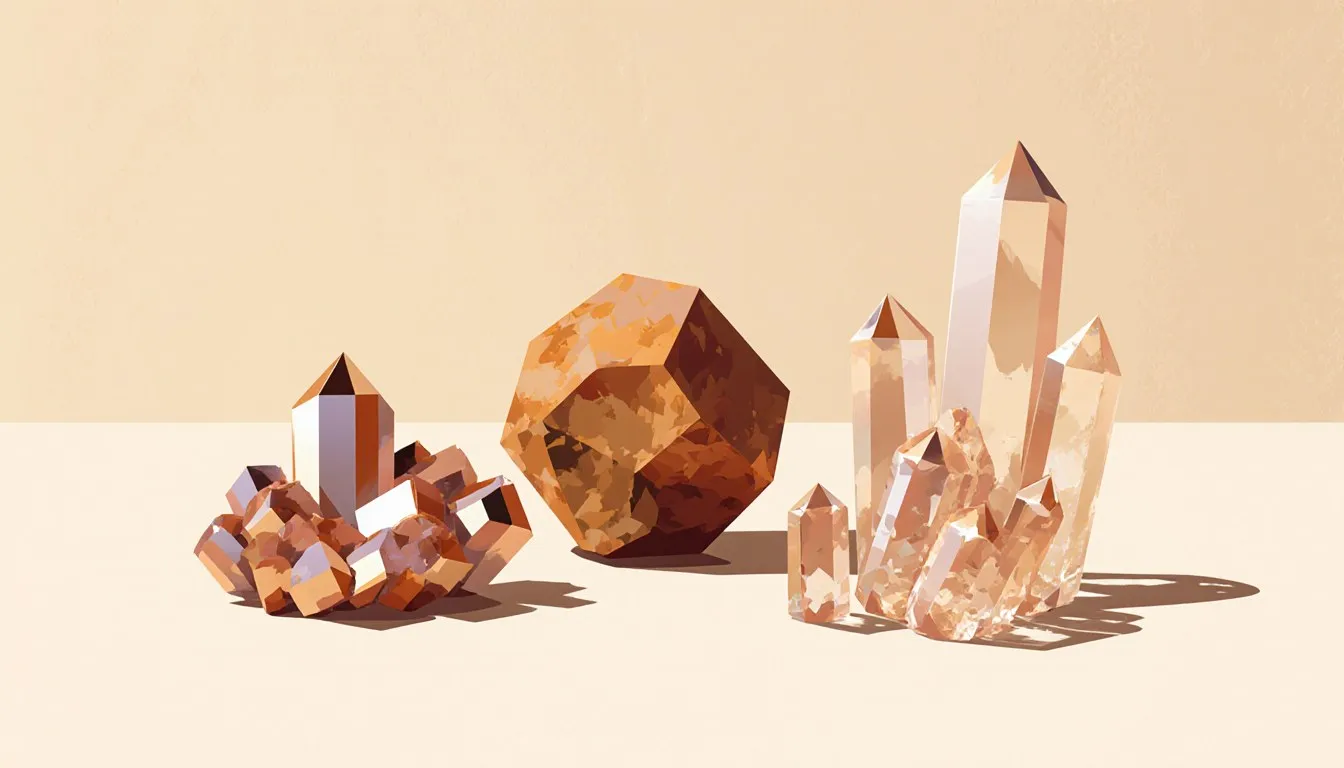
When most of us think about minerals, we relate to gold, silver and other elements like them. However, there are certain nutrients like iron and potassium which are also minerals. Here, we explain to you the various types of minerals.
Earthquakes are a daily occurrence on our planet. Most are so small that we don’t even know about them, and they only get recorded by the related professional agencies. Nevertheless, some earthquakes are very powerful and cause considerable damage. Here, we’ll talk about the worst ones that have befallen mankind.
Rocks have always helped scientists to understand the geological events in a better light. The fossils found in various sedimentary rocks often provide valuable information pertaining to the life of the flora and fauna present million years ago. The following article unveils more fascinating facts about these rocks.
A compilation of igneous rock facts, which shed light on some little-known attributes of this rock type. As you go through these facts, you will realize why igneous rocks are so popular in numerous fields including construction and jewelry making.
Its radioactive nature, an entire city built from this rock type, and its exceptional strength, which makes it the most preferred rock; here’s a short compilation of granite rock facts, some of which are interesting enough to leave you amazed.
The rock cycle is a continuous and never-ending process. Transformation of rocks from one form to another due to external forces of pressure, temperature, rain, and wind are commonly seen even though they take many many years to actually occur. In this ScienceStruck article, we have explained the rock cycle in detail.
Water cycle is one of the most interesting environmental cycles to learn about. One can always experiment with simple projects to observe this cycle practically.
How was Earth, the only known planet to harbor intelligent life that questions its own existence, ever created? How did this pale blue dot come to be? Read to know how our world was created, from a massive cloud of dust and gas.
Geology is the study of Earth science. This ScienceStruck article will guide you with the definitions of the basic geological terms, thereby, helping you to know more about this subject.
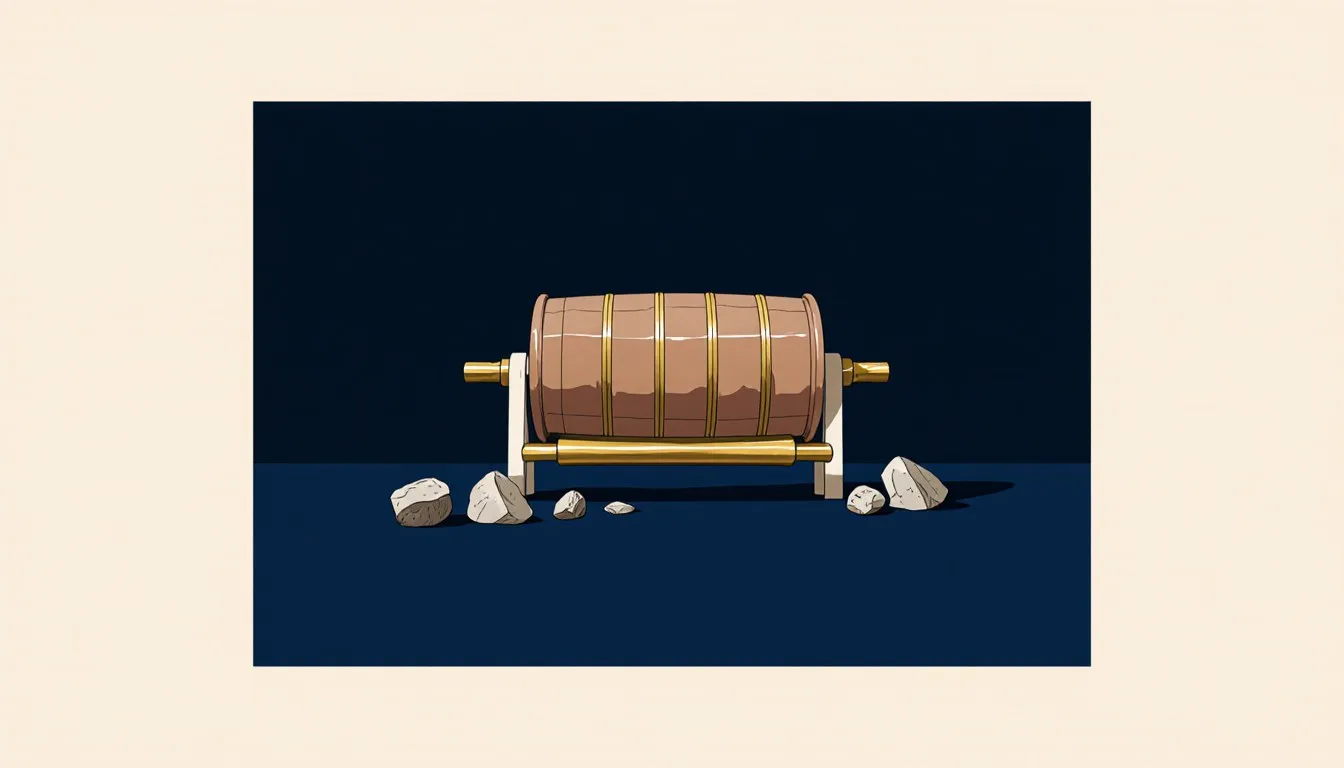
Building rock tumblers is a project that can help children understand the geological process of the tumbling and smoothing of rocks in water bodies. A homemade rock tumbler is also a creative way of making polished rocks and stones for adornments. Read on to know how to build one at home.
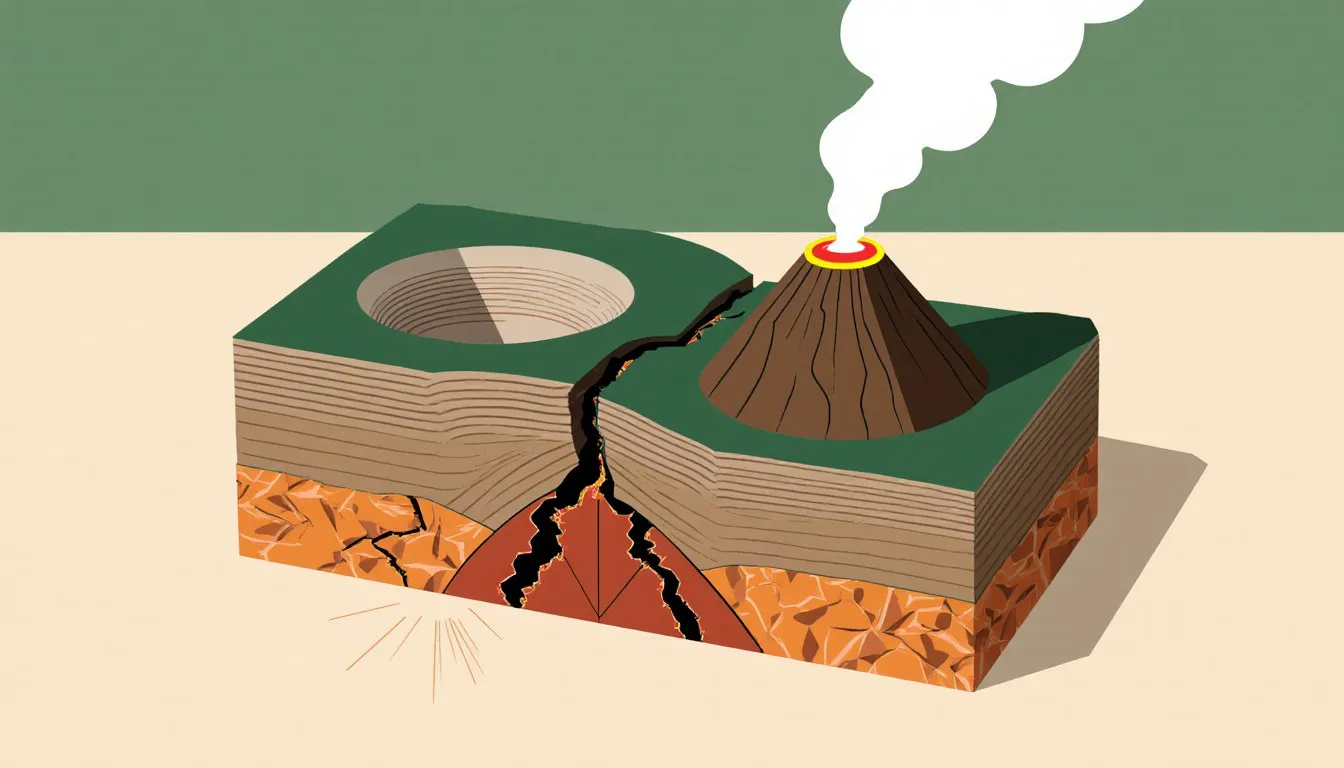
Earthquakes and volcanoes are natural phenomena resulting from the plate tectonics. In general, a volcanic eruption is accompanied by earthquakes. Read this ScienceStruck article to learn more about the relationship between these two natural processes.
A volcano, according to the dictionary, is an opening, a rupture, or a fissure on the Earth’s surface, allowing hot, molten rocks, ash, and gases to escape from below the surface. This geological phenomenon occurs randomly at specific locations around the world. Among the different spots, we have profiled the active volcanoes in Europe.
The United States ranks third after Indonesia and Japan in the number of historically active volcanoes. About 1,500 volcanoes have erupted in the United States in the past 10,000 years.
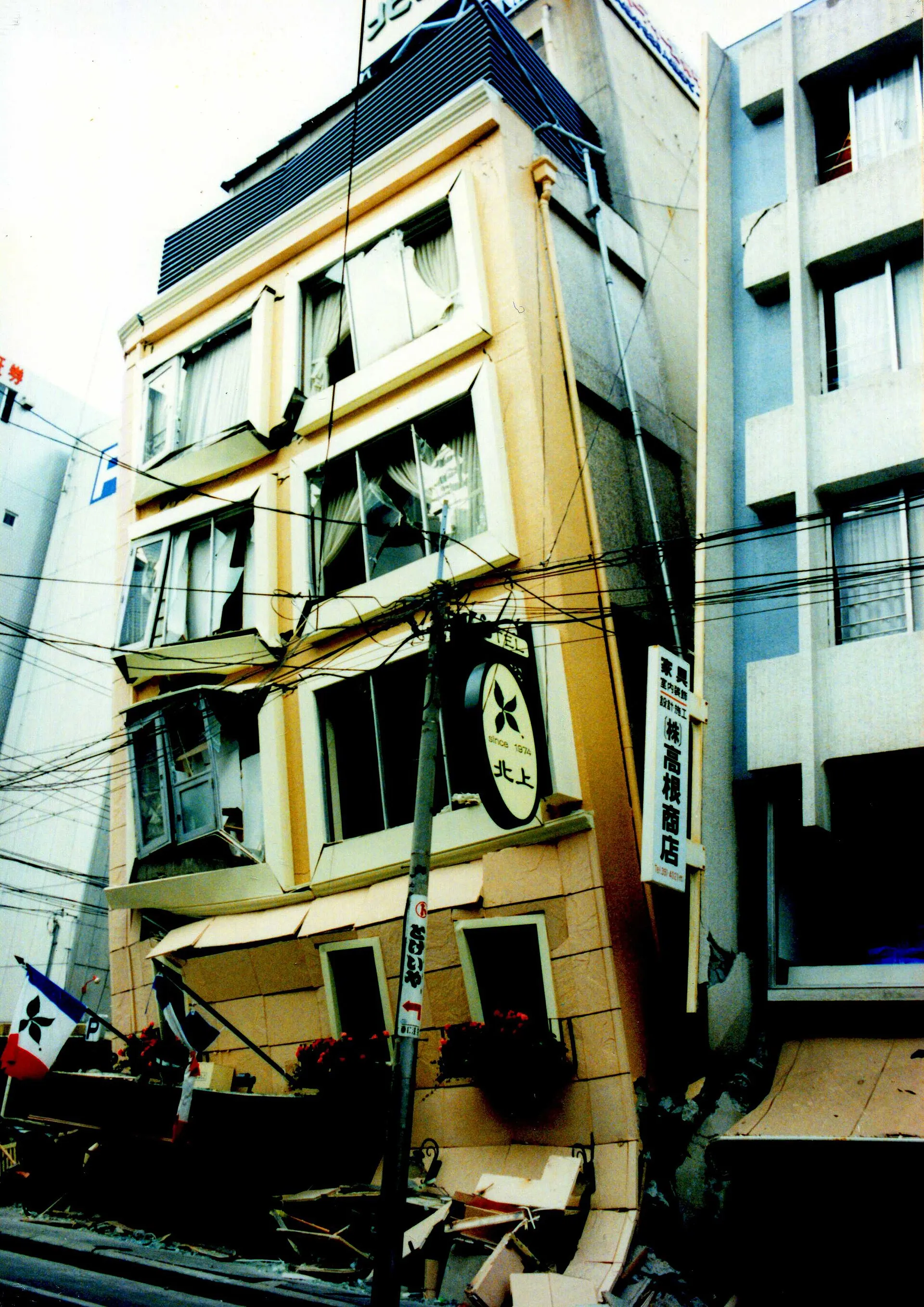
One of the most earthquake-prone countries of the world, Japan experiences thousands of low-intensity earthquakes every year. On January 17, 1995, though, it experienced one of the most destructive earthquakes ever―the Kobe earthquake.
Plate tectonics describes the large-scale motions of the Earth’s lithosphere. It covers the concepts of continental drifting, which were developed during the 20th century by Alfred Wegener. Read this ScienceStruck article to gain more information about this concept.
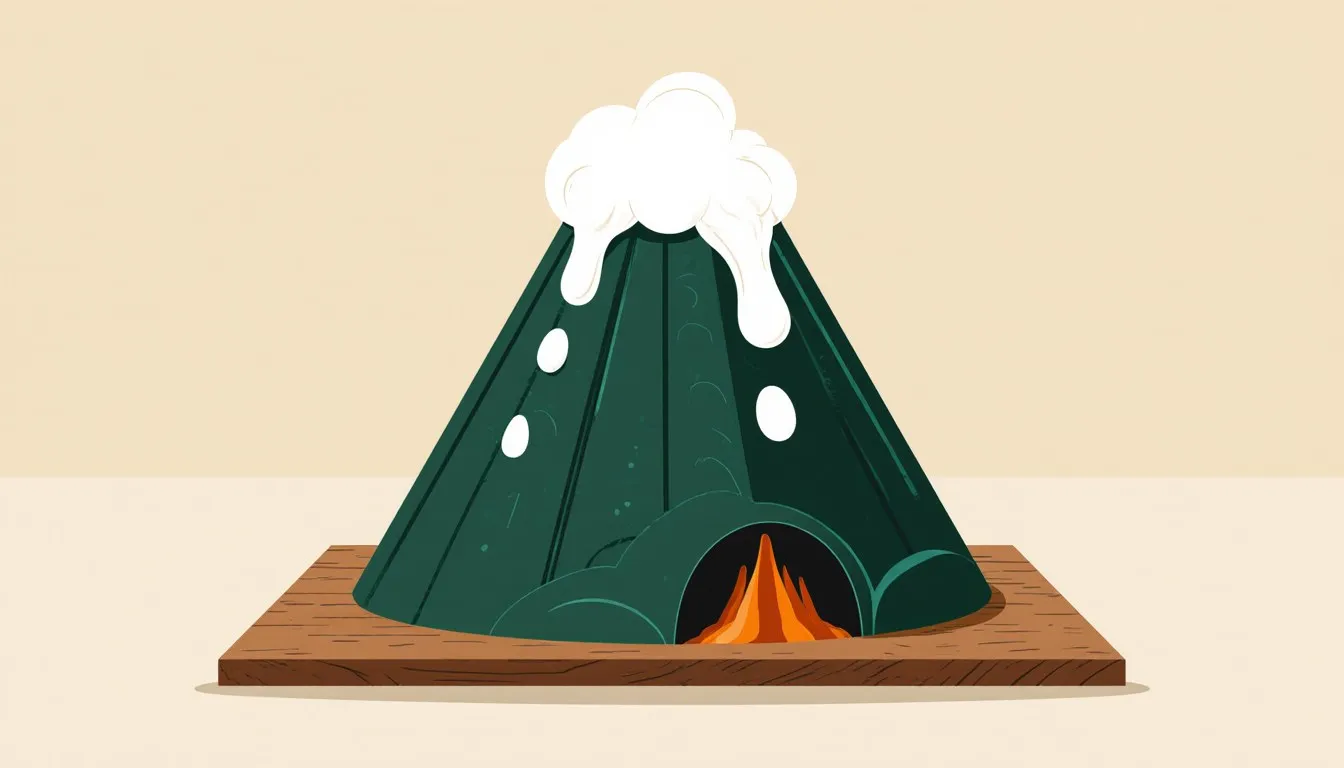
Making a volcano for a science fair project is not as challenging as it seems to be. Here is a detailed guide which will explain how to make a volcano model for school by using simple supplies.
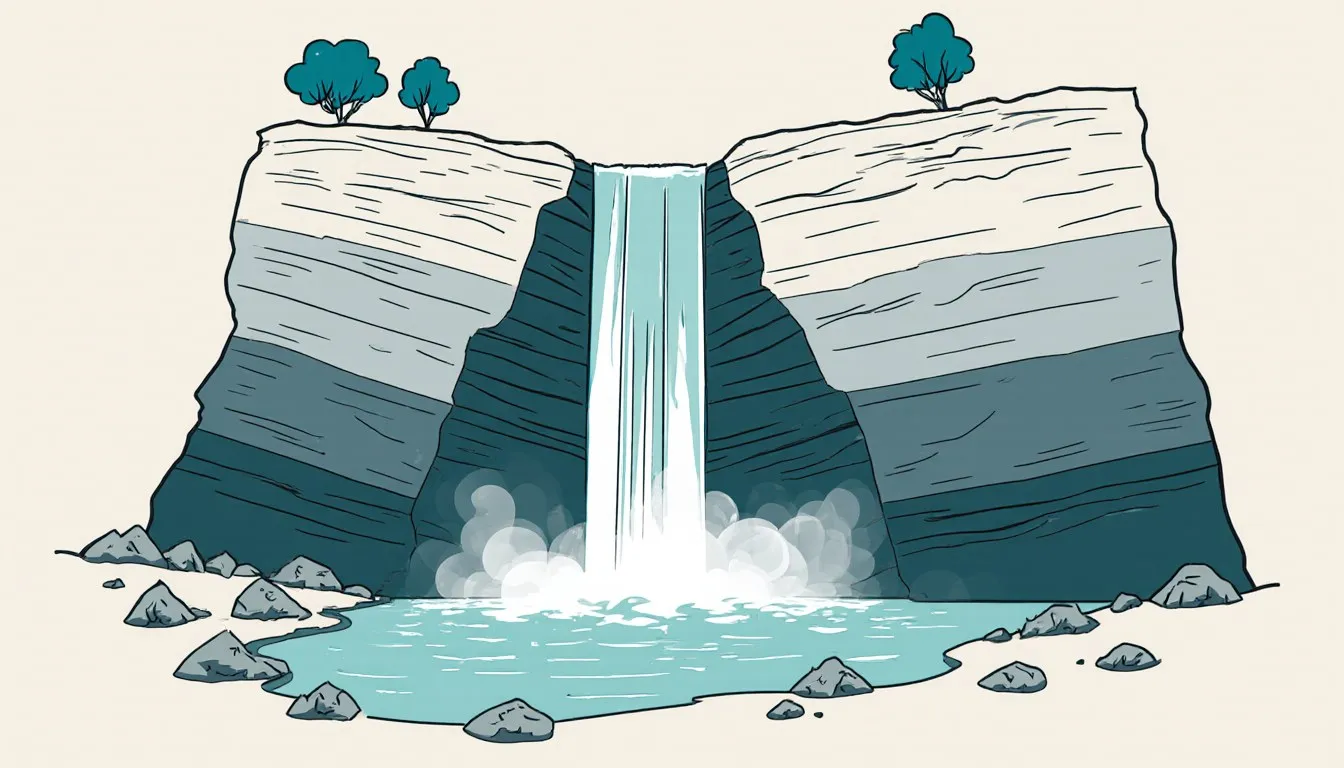
Waterfalls are major sites of tourist attraction, all over the world. Besides the enormity and natural beauty of the place, trying to find out about the formation of a waterfall, can be quite discovering too.
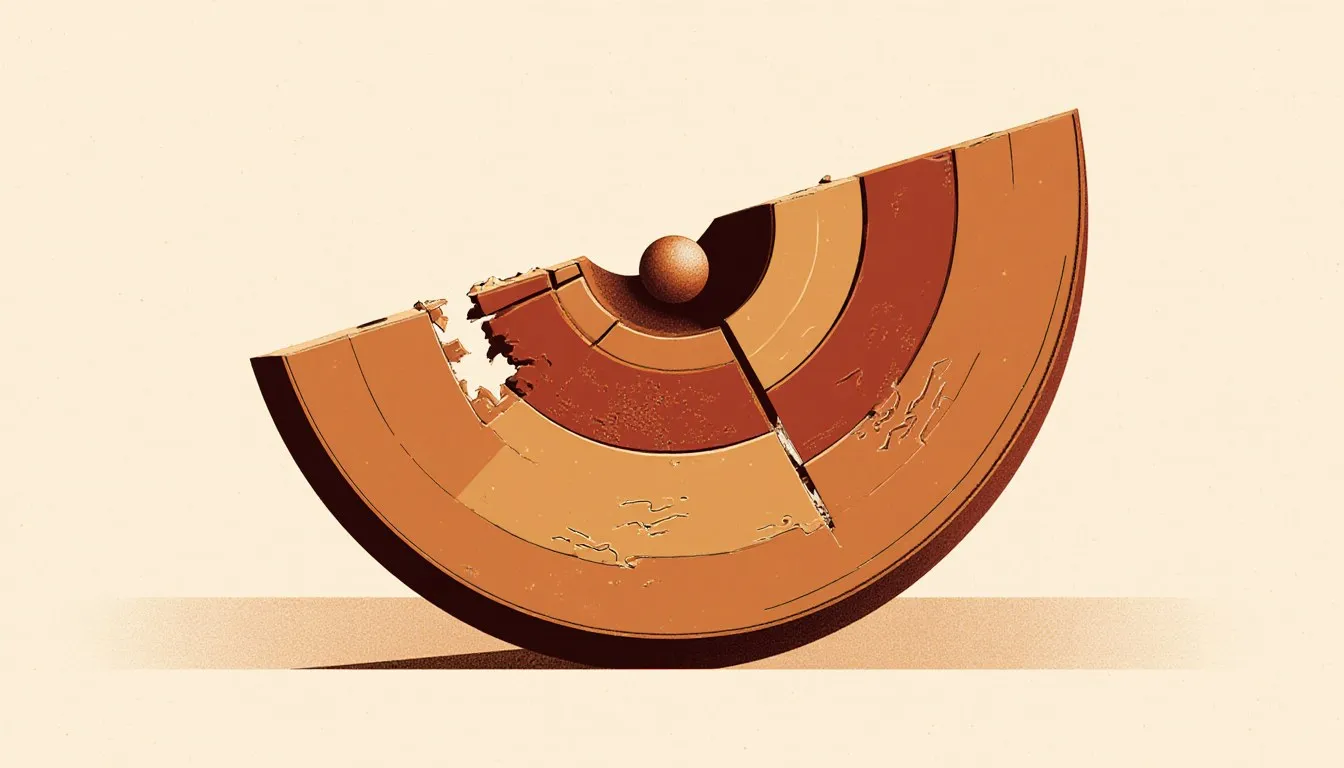
The four main layers of the Earth are the crust, mantle, outer core, and the inner core. The planet Earth was formed about 4.5 billion years ago, after the collapse of the supermassive gaseous body. As time moved on, the Earth cooled down and is still cooling, as of today. As a result of the cooling process, denser materials like iron and sulfur sank to the inside of the Earth; whereas, lighter materials like silicates and water came the surface.
Why do earthquakes occur? How are they detected? Read on to find the answers.